
5 min read
Designing Your Breeze: HVAC Logo Ideas That Stand Out
Design a standout air conditioning logo! Explore essential elements, color psychology, modern trends, and practical tips for a versatile brand identity.
Read more
May 26, 2026
When comparing synthetic roof underlayment options, homeowners should focus on the product features that matter most for long-term roof protection:
| Feature | Why It Matters |
|---|---|
| UV exposure rating | Helps protect the roof deck if installation is delayed |
| Tear strength | Improves durability during installation and storms |
| Slip-resistant surface | Supports safer footing for installers |
| Roll coverage | Helps crews cover more roof area efficiently |
| Moisture resistance | Prevents water absorption, rot, and mold issues |
| Temperature tolerance | Important for hot climates and certain roofing materials |
Choosing the right underlayment depends on your roofing material, local climate, slope requirements, UV exposure needs, and overall project goals. The sections below break down every major factor in detail.
Most homeowners spend a lot of time comparing shingles, tile, or metal panels — and understandably so. But the layer sitting directly beneath your primary roofing material is doing some of the heaviest lifting on your entire roof system. That layer is the underlayment, and when you choose a synthetic version over traditional asphalt-saturated felt, the performance difference is significant.
Synthetic underlayments are engineered from woven or non-woven polypropylene or polyethylene, making them 100% inorganic — meaning they won't absorb water, rot, or support mold growth. Depending on the product, they can be anywhere from 12 to 25 times stronger than standard #30 felt, and some are rated for up to 180 days of UV exposure when the roof deck needs to remain uncovered between installation phases. They're also roughly half the weight of felt rolls while covering nearly five times the area, which matters both for installer productivity and for the safety of workers on steep slopes.
The market has matured considerably, and there are now multiple products across several performance tiers — from basic synthetic underlayments to high-performance breathable membranes built for complex roofing projects.
I'm Jennifer Bagley, CEO of CI Web Group, and while my core expertise is in digital marketing and business growth for home service companies, I've spent years helping roofing contractors explain why roof system components matter to homeowners. Understanding what you're selling — and why it matters — is the foundation of any effective marketing strategy.

Synthetic roof underlayment terms made easy:
In roofing markets like Houston, the Southeast, and the Southwest, efficiency and reliability are major priorities. Professional contractors have largely moved away from traditional #15 or #30 felt in favor of modern synthetics for several practical reasons.
First, there is the issue of walkability. Traditional felt becomes incredibly slippery when wet and can tear easily under a roofer's boots. Many synthetic underlayments use textured top layers to provide better traction on steep-slope roofs. This safety feature matters to contractors focused on jobsite safety.
Second, synthetics offer excellent UV stability. While traditional felt can degrade or curl after just a few days of exposure to the sun, premium synthetic products can remain exposed for much longer. This is especially helpful in regions where sudden storms or labor delays might leave a roof deck dried-in but not yet shingled.
Finally, the strength-to-weight ratio is unmatched. A single roll of synthetic underlayment often weighs about 20 to 30 pounds but covers 1,000 square feet. To get that same coverage with #30 felt, a crew would need to move far more material onto the roof. By reducing physical strain and increasing coverage per lap, synthetics support faster installation and cleaner execution.
| Feature | #30 Asphalt Felt | Premium Synthetic Underlayment |
|---|---|---|
| Tensile Strength | Baseline | Up to 20x Stronger |
| Weight per 10 Sq. | ~130 lbs | ~20-30 lbs |
| Exposure Limit | Days (prone to curling) | 30 to 180 Days |
| Material | Organic (Paper/Asphalt) | 100% Inorganic (Polypropylene) |
| Mold Resistance | Low | High (Will not rot) |
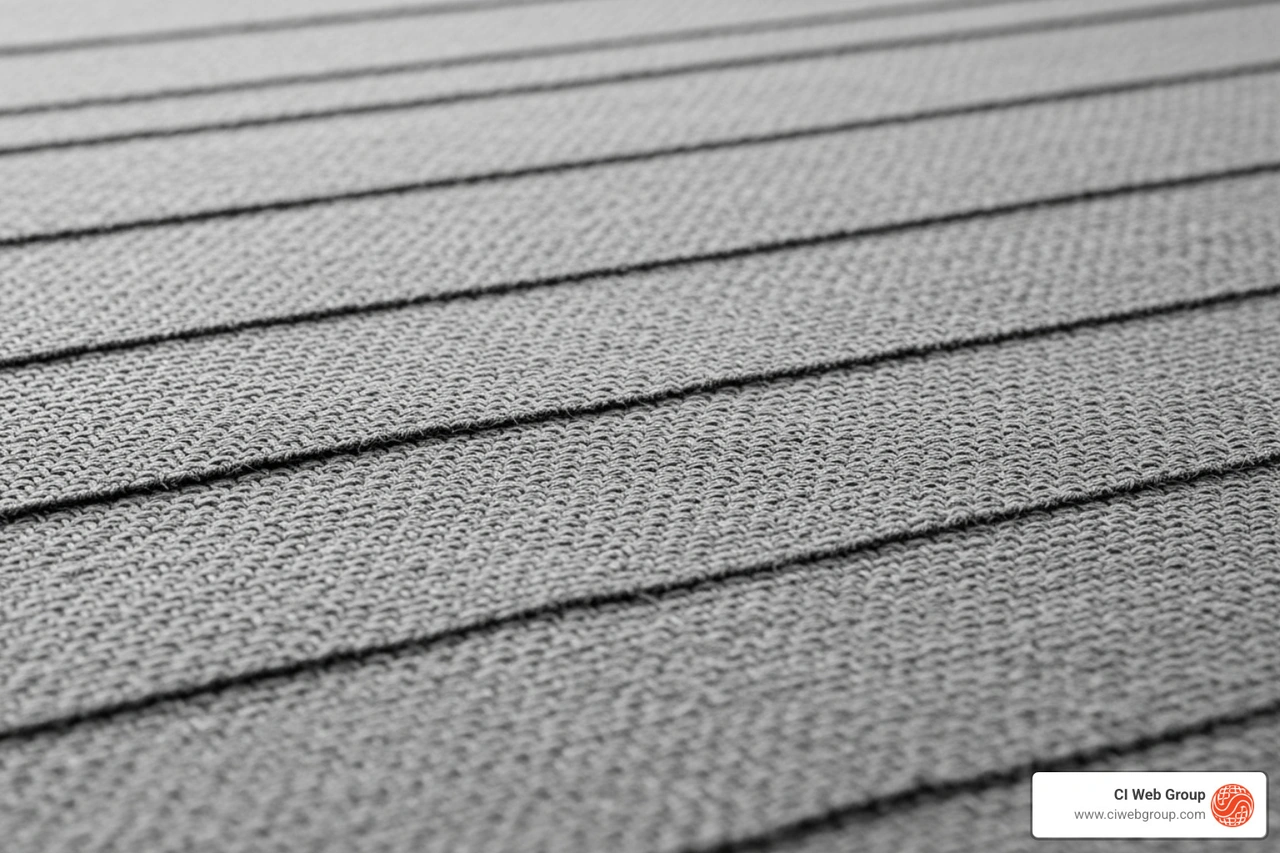
When evaluating synthetic roof underlayment, homeowners and contractors should pay close attention to the technical features that affect durability and performance.
There are two primary ways to install these materials. Mechanically attached versions are the most common; they are rolled out and fastened with plastic cap nails or staples. These are suitable for many standard-slope applications and general water-shedding.
Peel-and-stick (self-adhered) membranes feature an adhesive backing. These are typically used in critical areas like valleys, eaves for ice dam protection, and around chimneys. In many high-wind regions, code may require a full-roof application of self-adhered underlayment for maximum waterproofing.
The choice of underlayment often follows the choice of the primary roofing material. For asphalt shingles, many synthetic underlayments provide a flat, uniform surface that helps shingles lay better and prevents the telegraphing of wrinkles often seen with cheap felt.
For metal, tile, or slate, homeowners often need high-temperature or premium synthetic underlayments. Metal roofs, in particular, expand and contract significantly. The right underlayment can act as a buffer and is formulated to perform well under elevated temperatures.
If you want a higher-performing option, look for these features:
One often-overlooked marketing tool in the roofing industry is the underlayment itself. Some synthetic underlayment manufacturers offer custom printing services.
Imagine a roof in a busy Houston neighborhood. The old shingles are off, and the new underlayment is down. If that underlayment is plain gray, it’s a missed opportunity. If it is custom-printed with your company’s logo, phone number, and website, that roof becomes a highly visible branding asset for the few days it sits exposed.
This level of professional presentation can support referral generation. Neighbors see a clean, branded jobsite and immediately associate your company with quality and organization. This ties directly back to our advice on Roofing and Construction Logos; your logo needs to be legible and striking even from the street.
Even the best synthetic roof underlayment brands will fail if they aren't installed correctly. In 2026, building codes have become stricter regarding secondary water barriers.
Following these practices doesn't just pass inspection; it builds your Roofing Reputation Management. A roof that doesn't leak during a storm—even before the shingles are on—is a powerful testament to your skill.
It varies by product. Entry-level products typically offer 30 days of UV protection. Mid-grade products usually provide 60 to 90 days, while premium versions can withstand up to 180 days of direct sunlight without degrading.
Many synthetic underlayments are designed for a wide range of roofing systems, but you should always check the manufacturer's specifications. Metal roofs and tile roofs often require high-temperature versions to handle the heat transfer from the primary material. Cedar shakes may require a breathable synthetic to allow the wood to dry.
Yes, significantly. Many synthetic underlayments use a textured top layer specifically for grip. Whether it’s a non-woven surface or a polymer coating, they are generally designed to be safer to walk on than asphalt-saturated felt, especially when damp.
The shift toward synthetic roof underlayment is more than just a trend; it is a meaningful upgrade in how homes are protected. These materials can provide a safer, stronger, and more durable foundation for a roofing system.
At CI Web Group, we specialize in helping home service companies communicate technical advantages clearly online. We provide data-driven digital marketing for home service companies, helping businesses showcase their commitment to quality materials through customized programs and complete transparency. Whether you are in Houston, the Pacific Northwest, or the Southeast, we are here to help your business achieve its growth goals with 24/7 support and no-contract flexibility.
Ready to take your roofing brand to the next level? More info about branding services is just a click away. Let's build something great together.
Search our Blog
5 min read
All About Synthetic Roof Underlayment Brands
Discover how synthetic roof underlayment brands deliver superior protection, slip resistance, and durability for shingle and metal roofs.
Read more
5 min read
Designing Your Breeze: HVAC Logo Ideas That Stand Out
Design a standout air conditioning logo! Explore essential elements, color psychology, modern trends, and practical tips for a versatile brand identity.
Read more
5 min read
How to Build an HVAC Brand That Doesn't Blow Cold Air
Build a standout HVAC brand with expert Branding for HVAC tips: logos, consistency, digital activation & ROI strategies for 2026 growth.
Read more

5 min read
Beyond the Acronyms: Understanding KPI and SLA Reports
Master KPI and SLA reports: Track performance, ensure compliance, and drive IT service success with essential metrics and best practices.
Read more