5 min read
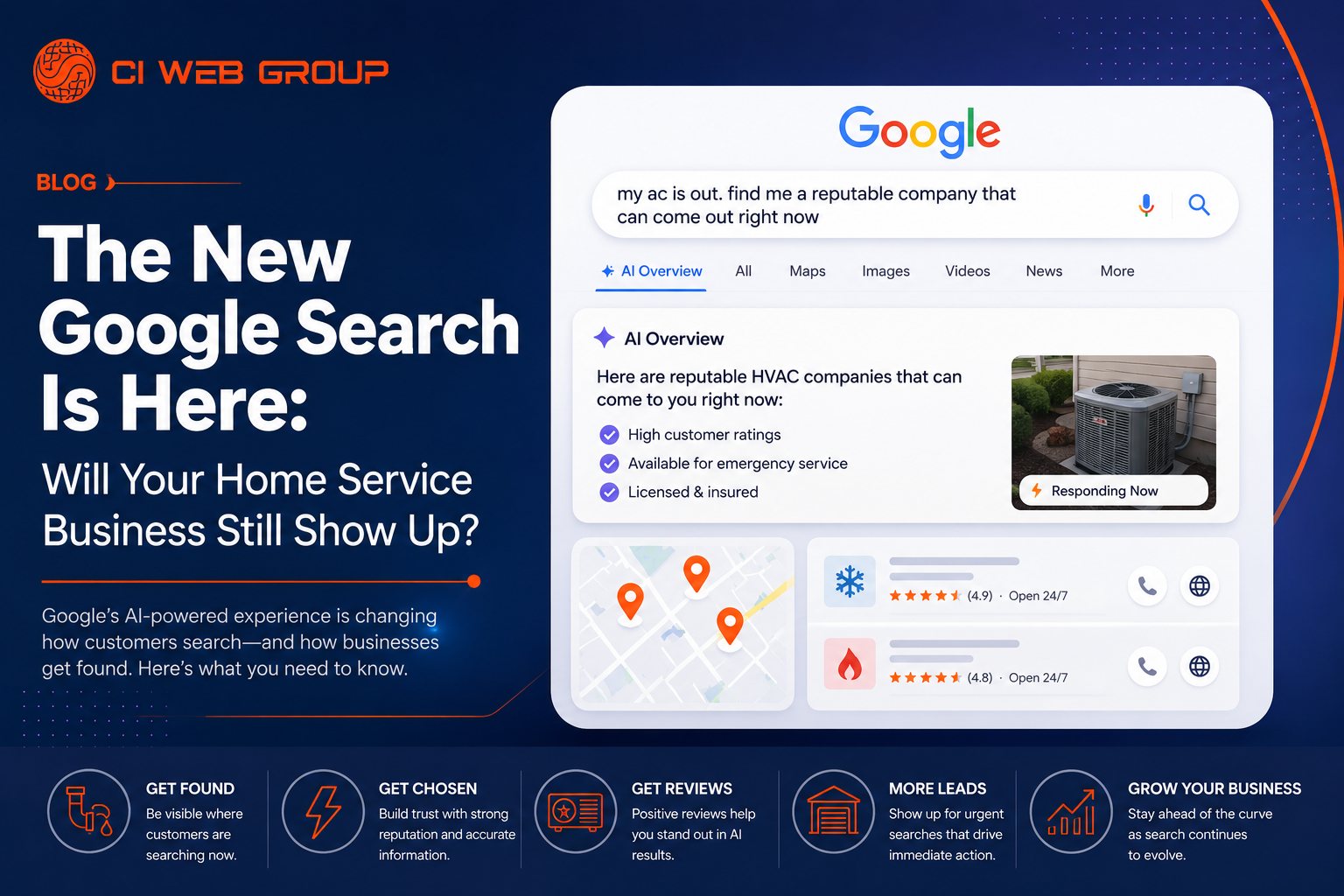
The New Google Search Is Here: Will Your Home Service Business Still Show Up?
Google just changed Search forever. Discover the 3 critical steps home service contractors must take right now to stay visible to AI search agents.
Read more
September 22, 2025
As a home service business owner, you rely on organic traffic to bring in potential customers. However, a hidden threat might be undermining your SEO efforts: SEO cannibalization. This occurs when multiple pages on your website compete for the same keyword, leading to lower rankings and reduced traffic. Understanding and fixing SEO cannibalization is crucial for maintaining a strong online presence and attracting new customers.
SEO cannibalization happens when two or more pages on your website target the same keyword, causing them to compete against each other in search engine results. For example, if you have separate pages for "AC repair services" and "emergency AC repair," both targeting the same keyword like "AC repair," they may end up competing with each other.
Another common example is having multiple blog posts covering the same topic, such as "How to maintain your HVAC system." This internal competition can confuse search engines and split the ranking power among these pages, ultimately reducing their effectiveness.
To identify SEO cannibalization, you need to perform a thorough audit of your website. Tools like Google Search Console, Ahrefs, or SEMrush can help you identify potential cannibalization issues. Start by conducting a keyword analysis to identify all the keywords your pages are targeting.
Next, review your content for overlap, looking for similar topics covered across different pages. Finally, check the SERP rankings to see which pages are competing for the same keywords and how they are performing.
Once you've identified the issues, there are several steps you can take to fix SEO cannibalization. Developing a strategic keyword plan is a key strategy. Assign specific keywords to individual pages to ensure each page targets unique terms. This allows search engines like Google to understand the purpose of each page, improving their rankings.
Implementing 301 redirects can guide traffic from less important pages to more relevant ones, consolidating ranking power. This technique ensures that your primary pages receive the attention they deserve.
Using canonical tags also helps indicate the preferred version of a page to search engines, ensuring they prioritize the correct page. Canonical tags are particularly useful when you have similar content across multiple URLs.
Improving your internal linking structure boosts the authority of key pages. For example, link from blog posts to your main service pages to strengthen their SEO performance. This internal linking strategy helps distribute ranking power effectively across your site.
It's important to create a content calendar to prevent future SEO cannibalization. This calendar can help you strategically plan your content creation and avoid overlap so that each piece of content has a clear purpose and target audience.
Regular SEO audits are vital to catching issues early and maintaining your site's health. Conduct audits at least twice a year or whenever you notice significant changes in your traffic or rankings. Using tools to continuously monitor your website's SEO health allows you to stay ahead of potential problems. By taking these steps, you can ensure your content remains effective and your search rankings stay strong.
SEO cannibalization can significantly impact your website's organic traffic, but by identifying and fixing these issues, you can improve your search rankings and attract more potential customers. Regular audits, strategic keyword planning, and effective content management are key to preventing cannibalization.
If you need expert assistance, contact CI Web Group. Our SEO team creates strategies specific to each individual business, ensuring we have unique pages for each keyword we are targeting. With our tailored approach, we can help your business achieve better organic rankings and drive more traffic to your site.
Search our Blog
5 min read
The New Google Search Is Here: Will Your Home Service Business Still Show Up?
Google just changed Search forever. Discover the 3 critical steps home service contractors must take right now to stay visible to AI search agents.
Read more

5 min read
The Ultimate Contractor Growth Guide
Master digital marketing for contractors in 2026: SEO, PPC, AI search, GEO & reputation strategies to dominate local rankings and scale your business.
Read more

5 min read
Beyond the Business Card: Creative Marketing Materials for Exterminators
Boost pest control marketing materials with print assets, vehicle wraps, QR codes & ROI strategies for local dominance in 2026.
Read more

5 min read
Don't Sweat the Tech with These Software Solutions
Discover top HVAC software solutions for 2026. Streamline scheduling, dispatching, invoicing & more to boost efficiency & cash flow.
Read more