
5 min read
The Magnet Effect: Mastering Inbound Marketing for Pest Control
Unlock growth with pest control inbound marketing. Discover SEO, content, and paid ad tactics to attract local leads & build a strong brand.
Read more
September 26, 2025
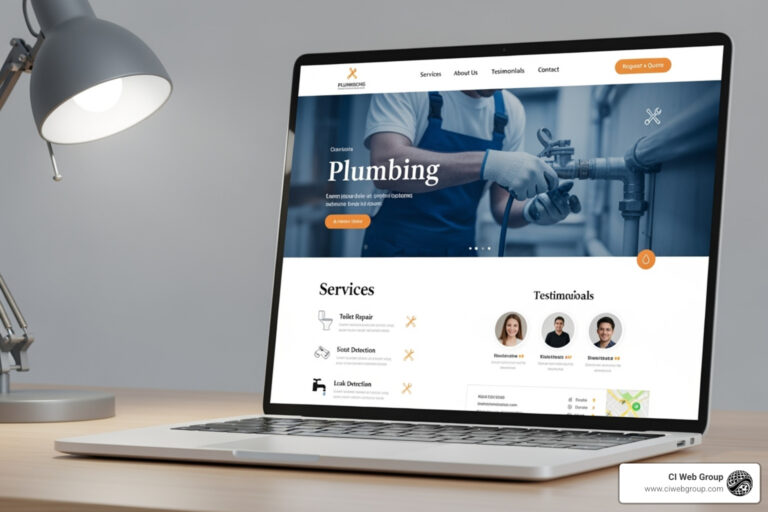
How to make a website for a plumbing business involves choosing a platform and template, adding essential pages, optimizing for mobile, adding lead capture forms, and promoting your site with local SEO.
Quick Steps:
Your plumbing website isn't just an online brochure - it's your 24-hour virtual sales representative. Research shows that 63% of consumers primarily use a company's website to find and engage with businesses, while 30% won't even consider a business without one.
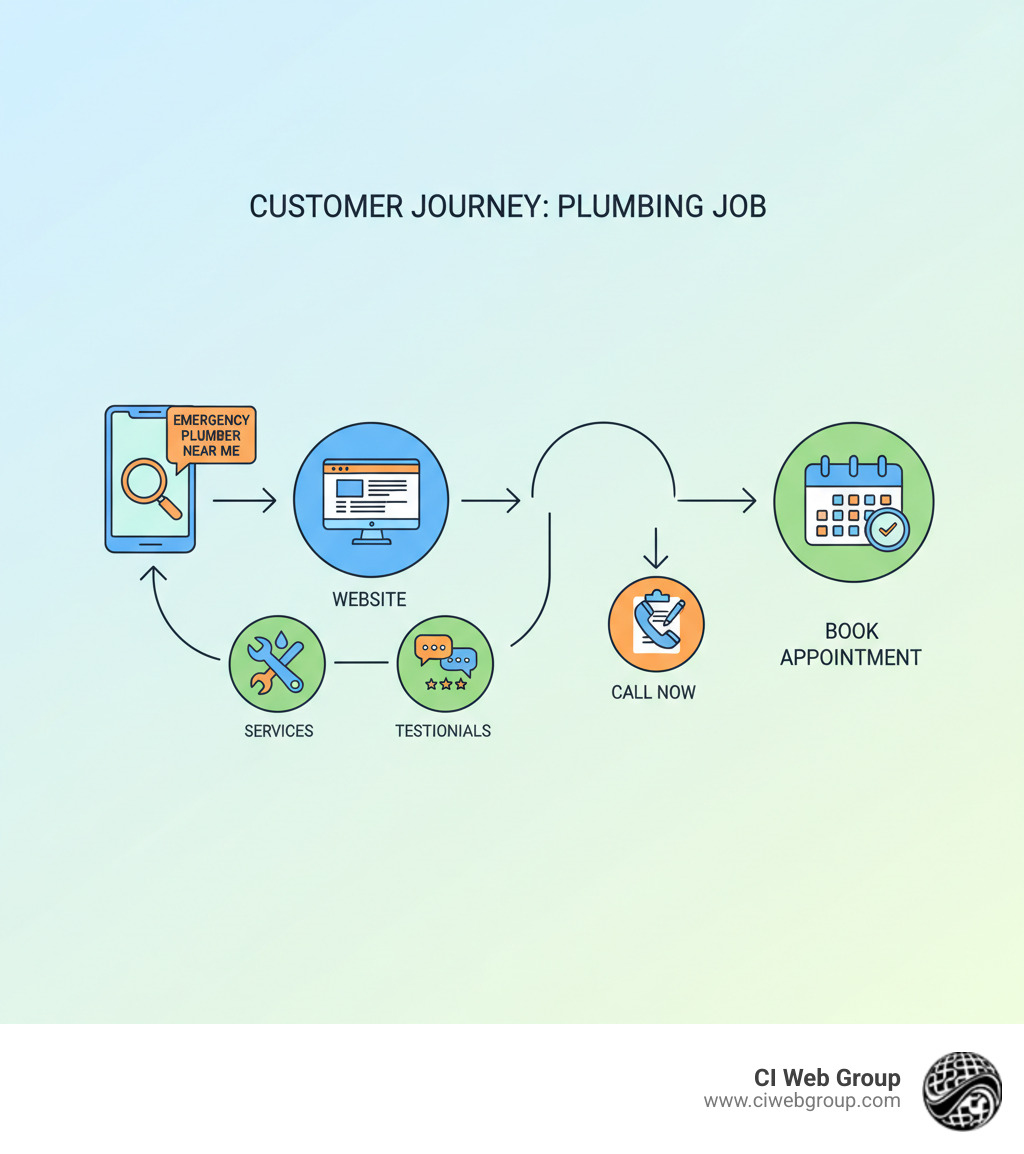
Think about it: when someone's toilet overflows at 2 AM, they're not calling the phone book. They're searching "emergency plumber near me" on their smartphone. If your website doesn't show up - or worse, if you don't have one at all - those customers are going straight to your competitors.
Your website serves as the foundation of your digital marketing strategy. It builds trust, showcases your expertise, and most importantly, converts visitors into paying customers. With 44% of people preferring to book services online rather than over the phone, a well-designed plumbing website has become essential for business growth.
The best plumbing websites function as lead-generation machines, combining compelling content with user-friendly design to guide potential customers toward one goal: calling your business or filling out a service request form.
The primary purpose of a plumbing website is lead generation. It's a marketing powerhouse designed to convert visitors into booked jobs. It acts as a digital storefront, communicating services, sharing reviews, and providing the information customers need to choose you.
For local businesses like plumbers, a marketing website is built to capture interest and compel action. It must meet the growing demand for digital booking options, making it easy for customers to connect with you. Learn more about why people prefer online booking.
In a competitive service industry like plumbing, differentiating yourself is key. A professional website offers benefits that traditional marketing cannot match:
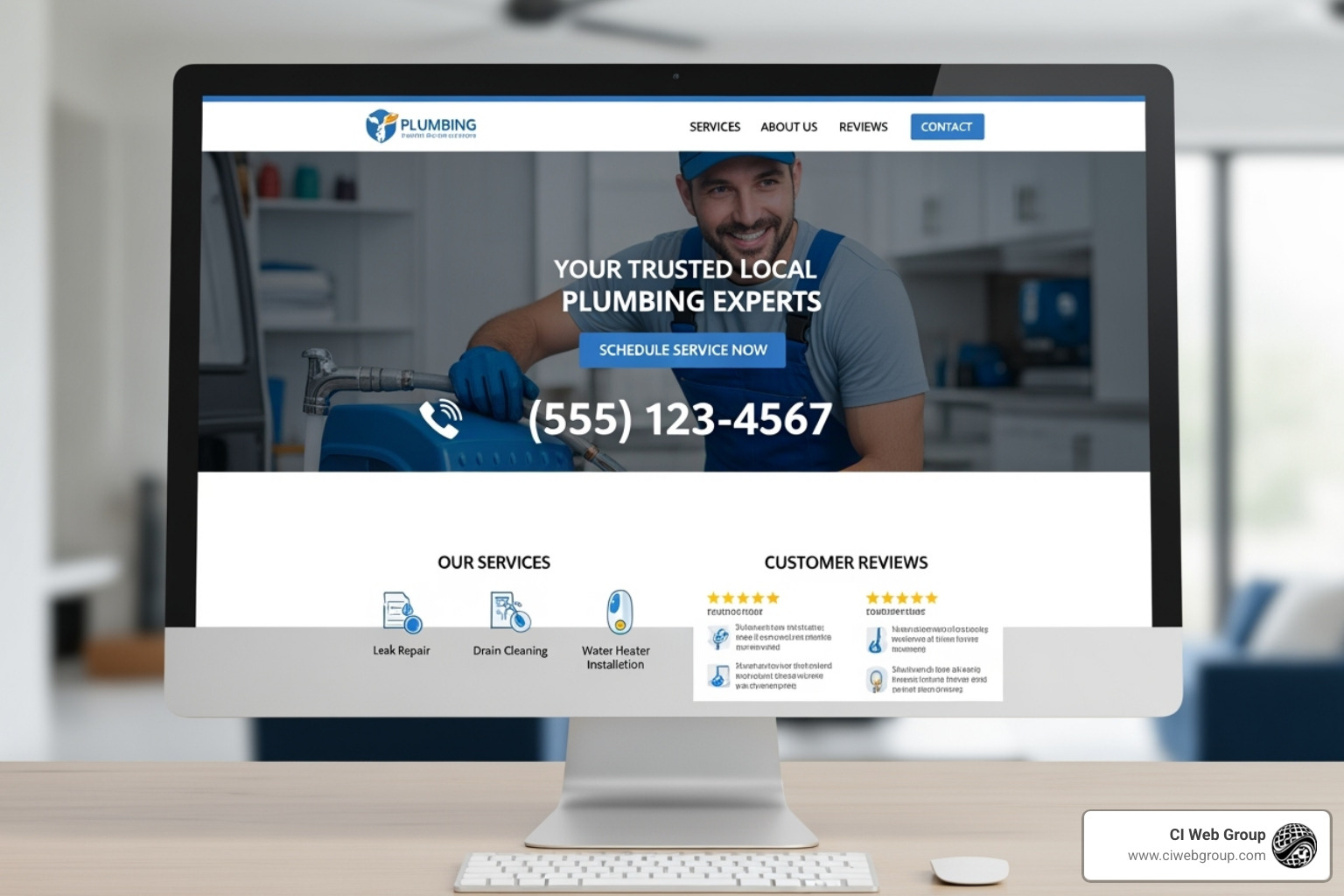
Understanding how to make a website for a plumbing business starts with knowing what makes one truly effective. Your website isn't a digital business card - it's a conversion machine designed to turn curious visitors into paying customers.
Every successful plumbing website has focused content for customer needs, an intuitive presentation that guides action, and seamless ease of use. These elements must work together on every device, making mobile responsiveness essential. Since most plumbing searches happen on smartphones, your site must function perfectly on any screen, at any time.
The magic happens in the details. Your user experience (UX) should feel effortless, while strategic Calls-to-Action (CTAs) guide visitors toward that crucial moment when they pick up the phone or fill out your contact form.
Think of your website as a well-organized toolbox - each page serves a specific purpose in converting visitors into customers.
Your homepage acts as your digital handshake. Within seconds, visitors should understand who you are, what services you offer, where you work, and exactly how to contact you. It's like the front window of your shop - it needs to grab attention and invite people inside.
The About Us page is where you build that personal connection. Share your story, introduce your team with actual photos, and explain what makes your approach different. People want to know who's coming to their home, especially during plumbing emergencies. This page transforms your business from a faceless company into real people they can trust.
Services pages are your conversion powerhouses. Rather than cramming everything onto one page, create dedicated pages for major services like emergency repairs, drain cleaning, and water heater installation. Each page should detail what customers can expect, addressing their specific concerns.
Your contact page should make reaching you ridiculously easy. Include your phone number prominently, add a simple contact form, list your service hours, and show your service area on a map. Frustrated customers with plumbing problems don't want to hunt for your contact information.
A blog positions you as the local plumbing expert while helping your website show up in more searches. Answer common questions like "Why is my water pressure low?" or "How do I prevent frozen pipes?" - the same questions customers ask you every day.
Finally, a dedicated testimonials page lets satisfied customers do your selling for you. It's social proof in action, showing potential clients that real people trust you with their plumbing needs.
Here's where the rubber meets the road in plumbing websites. Your phone number and web forms are your primary lead generators - everything else supports these two critical elements.
Your phone number should be impossible to miss. Place it prominently in your header, footer, and throughout your content. For mobile visitors (which is most of them), click-to-call functionality is non-negotiable. When someone's dealing with a burst pipe, they want to call you immediately, not fumble around trying to dial numbers manually.
Here's an interesting fact: phone calls typically generate 50% to 75% of online leads for plumbing companies. That's why your number needs to be front and center on every single page.
Web forms handle the remaining 25% to 50% of your leads, and they're particularly valuable for non-emergency situations. Your primary form should be a "Request Service" or "Schedule Service" form - make it prominent, keep it simple, and use action-oriented language like "Get My Free Estimate" or "Schedule My Appointment."
Don't forget a general contact form for customers who just want to ask questions or aren't ready to book yet. Every interaction is an opportunity to build a relationship.
The key difference between your plumbing website and other types of sites is that these contact elements are your main attraction, not afterthoughts.
In plumbing, trust isn't just important - it's everything. You're asking people to let you into their homes and trust you with their property. Your website needs to establish credibility before you ever show up at their door.
Customer testimonials and reviews are pure gold for plumbing websites. With 97% of consumers reading reviews before choosing a service provider, featuring testimonials prominently across your site is crucial. Don't hide them on a back page - sprinkle them throughout your homepage, service pages, and contact areas. Real stories from real customers carry more weight than any marketing copy you could write.
Display your licenses and certifications proudly. Include your business license number, relevant certifications, and professional affiliations like BBB ratings in your footer or About Us page. This immediately signals professionalism and compliance with local regulations.
Before-and-after photos provide visual proof of your expertise. Create galleries showing the problems you've solved - the clogged drain you cleared, the water heater you replaced, or the bathroom renovation you completed. These images demonstrate tangible results better than words ever could.
Team photos humanize your business and help customers feel comfortable. When someone's dealing with a plumbing emergency, knowing who might show up at their door provides reassurance and builds connection before you even arrive.

Ready to build your plumbing business website? Don't worry - it's not as complicated as fixing a burst pipe in a crawl space! When you know how to make a website for a plumbing business step by step, the process becomes manageable and even exciting. Think of it like any plumbing job: you need the right tools, a solid plan, and attention to detail.
We'll walk you through everything from picking your domain name to getting found on Google. Each step builds on the last, creating a website that doesn't just look professional but actually brings in new customers. And just like a well-installed plumbing system, when done right, it'll work for you around the clock. For the technical side of getting found online, check out our Plumbing SEO Tips.
Before you start building, you need a solid foundation - just like any good plumbing project. The groundwork you lay here will support everything else.
Choosing your domain name is like picking the address for your business. You want something customers can remember and type easily. Your domain should reflect your brand and ideally include words like "plumbing" or your city name. Think "SmithPlumbingBoston.com" rather than "SuperAwesomePipeFixers.com." Stick with a .com extension when possible - it's what people expect and trust. Need more guidance? Our guide to choosing a domain name covers all the details.
Customizing your design to reflect your brand is where your personality starts to show. Your logo should sit prominently in the header and always link back to your homepage - it's like having your business card visible on every page. Choose a color scheme that feels professional and trustworthy. Blue works great for plumbing businesses because it naturally connects with water and cleanliness, while adding touches of orange or green can convey reliability and growth.
Your typography should be clean and readable - avoid fancy fonts that might look cool but are hard to read on a smartphone screen. When it comes to imagery, real photos of your team and actual work beat generic stock photos every time. Customers want to see the actual person who might show up at their door, not a model in a hard hat who's never held a wrench.
Choosing the right website platform is like selecting the right pipe for the job - each option has its strengths, and the best choice depends on your specific needs and comfort level with technology.
Website builders like Wix, Squarespace, and GoDaddy make it easy to create a professional site without any coding knowledge. These platforms offer drag-and-drop interfaces that let you move elements around like puzzle pieces. They typically include hosting and often have templates designed specifically for service businesses. If you want something simple that you can set up quickly, website builders are your friend.
Content Management Systems (CMS) like WordPress offer more flexibility and power. WordPress powers about 40% of all websites online, which tells you something about its capabilities. While there's a steeper learning curve, you get much more control over customization and functionality. Think of it as the difference between using a basic toolset versus having a fully equipped workshop.
When you're learning how to make a website for a plumbing business, the template you choose matters enormously. Look for responsive design first and foremost - your site must look great and work perfectly on smartphones, tablets, and desktops. With over half of web traffic coming from mobile devices, this isn't optional.
Your template should offer a user-friendly layout that feels clean and uncluttered. Visitors should find what they need within seconds, not minutes. Make sure it supports clear service listings where you can detail everything from drain cleaning to emergency repairs. Most importantly, ensure your chosen platform makes it easy to display prominent phone numbers and contact forms - these are your lead magnets.
Even the most beautiful website becomes useless if customers can't find their way around it. Think of navigation like the main water line in a house - everything else depends on it working smoothly.
Your clear navigation menu should sit at the top of every page, using simple language that any homeowner understands. Use terms like "Services," "About Us," and "Contact" rather than creative but confusing labels. When someone's dealing with a plumbing emergency, they don't want to play guessing games with your menu.
Create a logical page structure that makes sense to your customers, not just to you. Under your "Services" section, organize offerings in a way that matches how people think about plumbing problems. Emergency services might come first, followed by common repairs, then installations and maintenance.
Make sure your homepage link works exactly as people expect - clicking your logo should always take visitors back to your main page. This is such a standard web convention that breaking it confuses people immediately.
Don't forget about footer navigation either. Your footer should include essential links like your contact information, service areas, and any legal pages. It's like having a helpful summary at the bottom of every page.
The goal is user-friendly design that feels effortless. Links should be obviously clickable, important information should be easy to spot, and the overall flow should feel natural. When someone visits your site at 2 AM with a plumbing emergency, they shouldn't have to think - they should be able to find your phone number and call immediately. For more detailed guidance, check out our Website Navigation Best Practices.

Congratulations! You've built your plumbing website, but here's the exciting part - now we get to turn it into a customer-generating powerhouse. Think of your freshly built website like a brand-new plumbing van sitting in your driveway. It looks great, but until you put it on the road and let people know you're open for business, it's not making you any money.
The magic happens in three crucial phases: launching strategically, optimizing continuously, and promoting relentlessly. This is where your website transforms from a digital business card into a 24/7 sales machine that works even while you're sleeping. We understand that maximizing your return on investment is key, and our data-driven approach ensures your website is always working hard for your business. To understand how we measure success, explore How to Measure the Success of Your Plumbing Digital Marketing.
Before you hit that "publish" button and announce your website to the world, let's make sure everything is running like a well-tuned plumbing system. Nothing's more embarrassing than sending customers to a website that doesn't work properly - it's like showing up to a job without your tools.
Start by getting fresh eyes on your site. Ask friends, family, or even potential customers to test-drive your website. Give them specific tasks like "find our emergency services page" or "fill out a service request form." Their feedback often catches things you've been staring at for too long to notice.
Mobile testing is absolutely critical - and we can't stress this enough. Most people searching for plumbers are doing it from their phones, often in a moment of panic with water everywhere. Test your site on different smartphones and tablets to ensure everything looks perfect and works smoothly.
Don't forget the technical details that can make or break your success. Check every single form and link - there's nothing worse than losing a potential customer because your contact form isn't working. Proofread all your content carefully, because typos and errors undermine your professional credibility faster than anything else.
Web accessibility matters more than many business owners realize. Make sure your site works for everyone, including users with disabilities. This means adding alternative text for images and ensuring keyboard navigation works properly.
Finally, set up Google Analytics before you launch. Sign up for Google Analytics and add the tracking code to your website. This is like installing a meter on your website that shows you exactly how many people visit, where they come from, and what they do once they're there.
Here's where things get really exciting for plumbing businesses. When someone's dealing with a plumbing emergency at 2 AM, they're not browsing through Yellow Pages - they're frantically typing "emergency plumber near me" into their phone. Local SEO is your ticket to being the answer to their prayers.
Keyword research is your foundation. Think like your customers - what would you type into Google if your water heater just exploded? Terms like "drain cleaning [your city]," "water heater repair [your area]," or "24-hour plumber [your neighborhood]" are goldmines. Weave these naturally into your website content, page titles, and descriptions.
On-page SEO is where you optimize each page for success. Use your target keywords in headings and throughout your content, but keep it natural and helpful. Search engines are smart enough to spot keyword stuffing from a mile away, and it makes your content sound robotic.
Your Google Business Profile is absolutely essential for local search success. This free listing is often the first thing potential customers see when they search for plumbers in your area. Keep it updated with accurate hours, photos of your work, and encourage satisfied customers to leave reviews.
Consistency is king when it comes to local citations. Make sure your business name, address, and phone number are identical across all online directories - Yelp, Facebook, and everywhere else your business appears. Search engines get confused by conflicting information, and confused search engines don't rank you well.
Image optimization might seem minor, but it's crucial for both SEO and user experience. Compress your photos so your site loads quickly (nobody waits for slow websites anymore), and use descriptive alt tags that include relevant keywords.
For deeper insights into dominating local search results, check out our comprehensive guide: 5 Tips for Plumbers on Local SEO.
Now comes the fun part - telling the world about your amazing new website! Building a great website is like installing the perfect plumbing system in a house - it won't do any good if nobody knows it's there.
Social media engagement might surprise you with its effectiveness for plumbing businesses. Facebook and Instagram aren't just for restaurants and fashion brands. Share before-and-after photos of your work, post helpful maintenance tips, and show the human side of your business. People love seeing the faces behind the company that might be coming to their home.
Email marketing is like having a direct line to your customers' attention. Build an email list from your website contacts and existing customers, then send valuable content - seasonal maintenance reminders, special offers for loyal customers, or helpful tips to prevent common problems. It's an excellent way to stay top-of-mind for future needs.
Paid advertising through platforms like Google Ads can generate immediate results, especially for urgent plumbing needs. When someone searches for "emergency plumber," your ad can appear at the very top of search results. It's like having a billboard that only shows up when people are actively looking for your services.
Blogging consistently establishes you as the go-to plumbing expert in your area. Write helpful articles like "How to Prevent Frozen Pipes This Winter" or "5 Signs You Need Professional Drain Cleaning." This content helps your SEO and positions you as a trusted authority. Our Content Calendar for Plumbing Business guide can help you plan engaging content that attracts customers.
Website maintenance and performance tracking ensure your lead-generating machine keeps running smoothly. Regular updates, security checks, and performance monitoring keep your site fast, secure, and effective. Monitor your analytics to see what's working and what needs improvement - successful websites are never "finished," they're always evolving to serve customers better.
Learning how to make a website for a plumbing business isn't just about following a checklist – it's about creating a digital foundation that transforms how customers find and connect with your services. Throughout this guide, we've explored why your website serves as your most valuable business asset, functioning as that tireless 24/7 sales representative who never takes a coffee break or calls in sick.
The journey from choosing your domain name to optimizing for local search might seem overwhelming at first, but remember – every successful plumbing website started with someone taking that first step. We've covered the essential elements that make websites convert: prominent phone numbers with click-to-call functionality, strategically placed contact forms, trust-building testimonials, and mobile-responsive design that works flawlessly on every device.
What makes the difference between a website that just exists and one that actually generates leads and books jobs comes down to understanding your customers' journey. When someone searches "emergency plumber near me" at 2 AM, they're not looking for fancy animations or complicated navigation. They want clear information, easy contact options, and the confidence that you're the right choice for their urgent need.
Your website is never truly "finished." The most successful plumbing businesses treat their websites as living, breathing assets that grow and improve alongside their companies. Regular content updates, fresh customer testimonials, and ongoing SEO optimization keep your site competitive and visible in search results.
At CI Web Group, we understand that data-driven digital marketing isn't just about pretty websites – it's about measurable results that impact your bottom line. Our transparent approach means you'll always know exactly how your website is performing, and with complete client asset ownership, you maintain full control of your digital presence. No contracts, no surprises, just customized programs designed to help you dominate online search in your local market.
The plumbing industry is more competitive than ever, but that also means the opportunities for growth are tremendous. Your competitors who haven't invested in professional websites are essentially invisible to the majority of customers searching online. This is your chance to capture that market share.
Ready to stop losing potential customers to competitors with better online presence? Get a free consultation on your plumbing website design and find how we can help transform your digital marketing into a lead-generating machine that works around the clock for your business.
Search our Blog
5 min read
The Magnet Effect: Mastering Inbound Marketing for Pest Control
Unlock growth with pest control inbound marketing. Discover SEO, content, and paid ad tactics to attract local leads & build a strong brand.
Read more
5 min read
Elevate Your Online Presence: A Guide to Professional Web Design Services
Home service businesses: Elevate your brand with professional web design and services. Drive leads, boost SEO, and grow your business.
Read more
5 min read
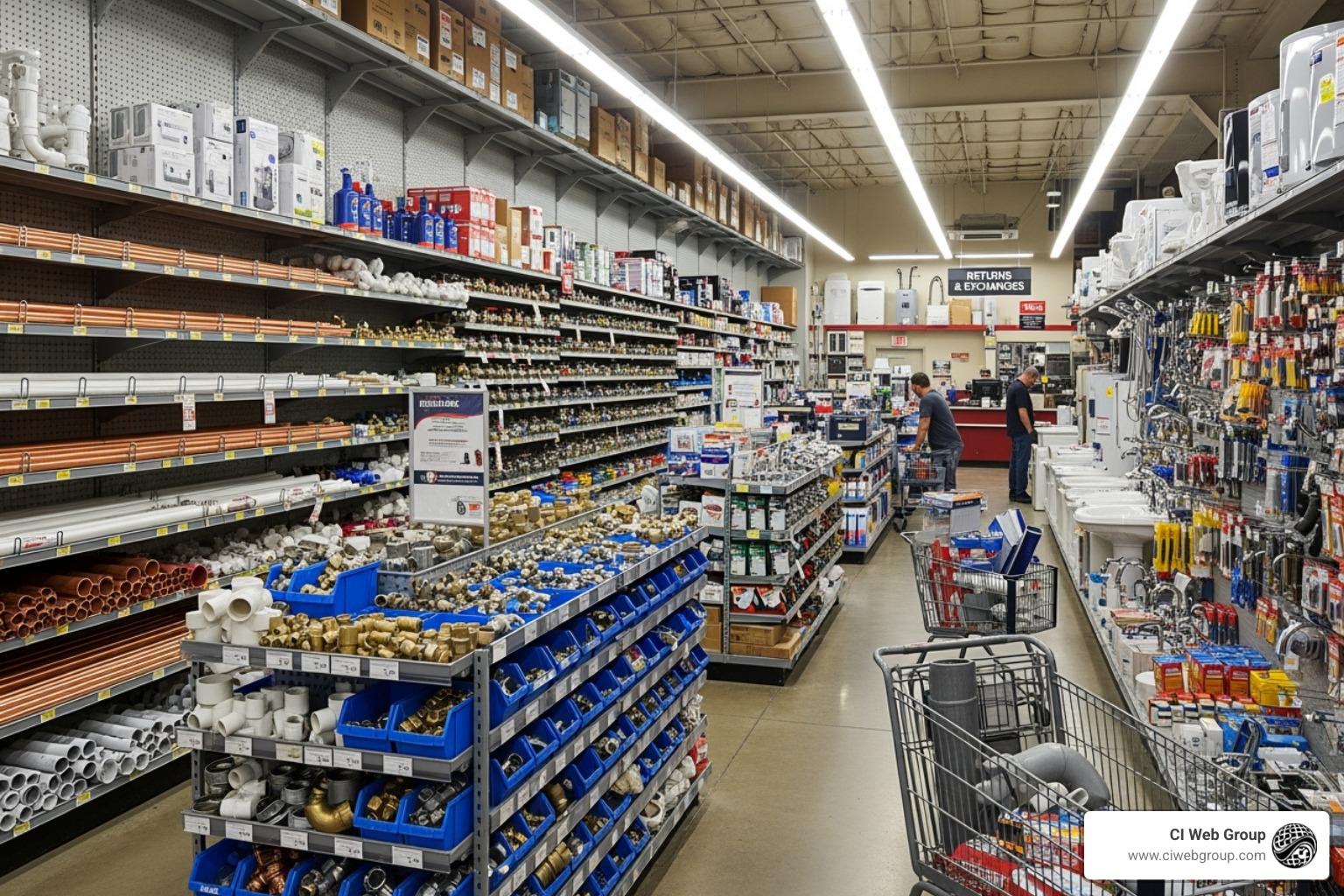
Get Your Pipes in Order: Finding Plumbing Supplies Nearby
Find the best plumbing supply near me for quality parts, expert advice, and essential tools to tackle any plumbing repair.
Read more

5 min read
Beyond the Buzz: Uncovering the Top Roofing SEO Agencies
Find the best Roofing SEO company! Discover strategies for leads, local dominance, and long-term growth. Get results for your business.
Read more