5 min read
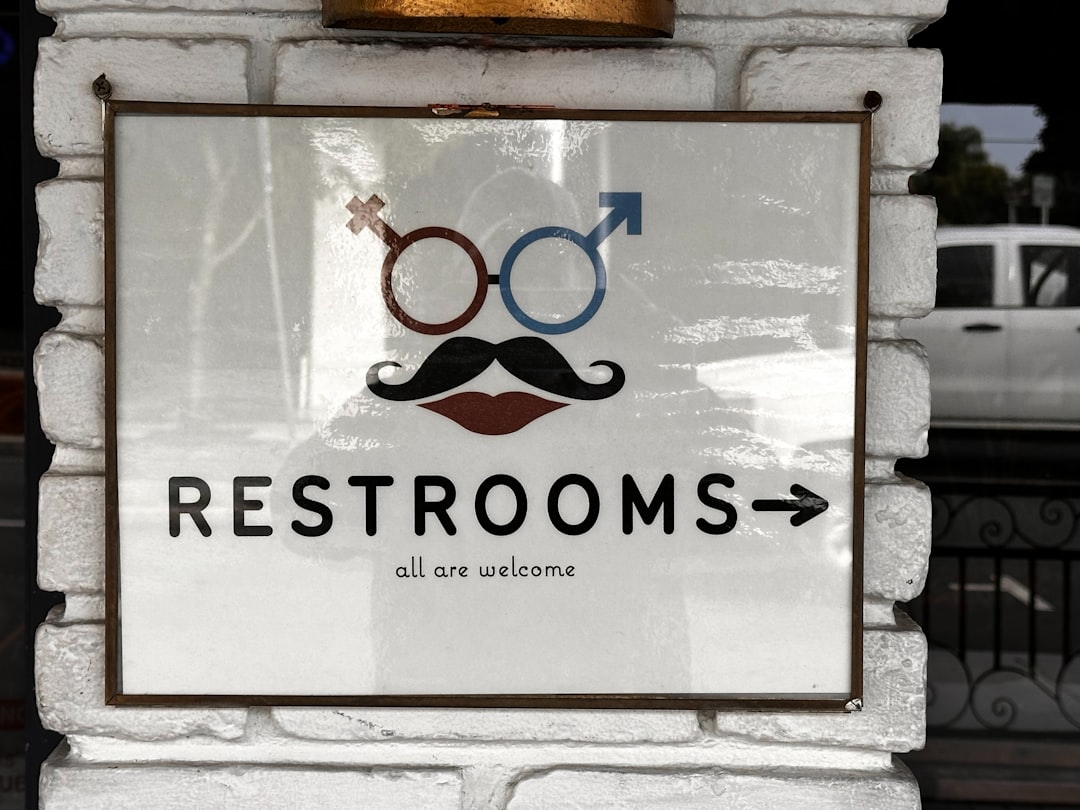
Don't Get Flushed: A Roundup of Funny Plumbing Logo Designs
Discover funny plumbing logos that boost engagement 15% and brand recognition 42%. Get tips to stand out in the $133.6B market!
Read more
.png)
February 5, 2026
Running a home service company means juggling schedules, crews, parts, weather, and customer expectations. With all of that in motion, it’s easy to overlook a quiet profit drain: how leads move through your sales process.
Your sales process is a supply chain. From the first click or call to a signed proposal, payment, and review, there are dozens of small steps that need to flow in sequence. When any step is slow, confusing, or manual, money leaks out—leads stall, quotes go cold, and jobs go to someone else.
This supply chain lens—and how to fix it—was the focus of a recent Boardroom conversation with industry leaders Jennifer Bagley (CI Web Group/Just Start AI), Stephanie Allen (AirWorks/Just Start AI), Seth Ure (Set Sail), and Utku “Dave” Kaynar (OnePath). Here’s a practical playbook you can use now.
Friction is anything that makes it harder for a homeowner to move forward—or harder for your team to do their job.
Common friction points:
As Seth Ure put it, “People will do more of whatever’s easier and less of whatever’s harder.” Your job is to make buying from you the easiest path.
Compression lifts margins and reduces chaos. Connection wins trust, reviews, and referrals. You need both.
More homeowners are asking AI tools for help, not just Googling. If your website and content aren’t easy for large language models (LLMs) to digest, you’ll be invisible in those moments.
Make your online presence AI-ready:
When homeowners paste a quote into an AI tool and ask, “Is this fair?”, many models pull from retail equipment listings because our industry hasn’t published enough installed price data. If you don’t publish clear ranges, the machine fills the gap with the wrong benchmarks. Post your ranges and spell out what’s included (permitting, labor, ductwork modifications, commissioning, warranties, etc.).
Booking a tune-up or installing a heat pump should be as easy as other modern purchases. Homeowners expect instant answers and fewer hoops.
Use compression to shorten the path to “yes”:
Dave Kaynar flagged a change already in motion: Google’s “Ask for me” agents are calling to book on behalf of consumers. That means:
Practically, your inbound experience must be AI-first and human-friendly. If an older homeowner calls, route them to a person. If an AI agent calls, complete the booking right away.
Automation should handle repetitive work—scheduling, reminders, follow-ups, data entry—so your team can do what tech can’t: build trust.
Small human touches that change outcomes:
These moments create loyalty, 5-star reviews, and stories people share.
It’s reasonable to wonder: “If we compress and automate, will we just do fewer jobs?” The opposite is what usually happens. The Jevons Paradox shows that when something gets easier and more efficient, people use more of it.
In home services, that translates to:
Make it easy and demand rises. Early adopters capture the most of that growth.
List every step from first contact to paid invoice and review. Include:
If a team member can’t follow your steps without guessing, it isn’t mapped yet.
Ask your team:
Fix the top 1–3 bottlenecks first:
Use your reclaimed time to coach:
Track performance weekly and tune the system:
Benchmarks to aim for
Train the machines: publish clear, honest price ranges
Today, many AI models learn install “pricing” from equipment-only retail listings. That creates bad advice when homeowners ask, “Is this quote fair?” You can fix some of this by publishing real ranges and what’s included in your installed price.
What to publish:
This helps homeowners and teaches the models to answer more accurately.
LLM assist: a simple process-mapping prompt you can use
If you’ve never documented a full sales process, let an LLM draft the first pass. Jennifer Bagley recommends using Claude for structure and workflows, then iterating.
Try this prompt:
“You are an operations consultant for a residential HVAC, plumbing, and electrical company. Help me process-map our sales supply chain from first contact to paid invoice and review. Break it into stages and micro-steps. For each step, list: step owner, tools, time-to-complete, handoff, dependencies, risk of drop-off, and a quick win to remove friction. Assume leads arrive via phone, text, chat, web forms, Google LSA, Yelp/Angi, and social DMs.”
Then:
What is a sales supply chain in home services?
It’s the connected set of steps that move a lead from first contact to paid invoice and review. Think awareness, inquiry, response, qualification, scheduling, estimate, follow-up, close, payment, and review—plus all the micro-steps in between.
Why is “speed-to-lead” such a big deal?
Responding in seconds keeps you top of mind and prevents shopping around. In many markets, the first company to reply and make scheduling easy wins most of the time.
Do homeowners really want price ranges online?
Yes. Clear ranges with what’s included increase trust and reduce sticker shock. They also train AI tools to give better answers when customers ask if your quote is fair.
Will automation replace my team?
Automation should replace repetitive work, not relationships. Use it to remove friction so your people can spend more time listening, advising, and delivering standout service.
The companies that move fastest on compression and connection will grow fastest. Tighten your sales supply chain and you won’t just stop revenue leaks—you’ll build a smoother, more profitable operation that keeps winning.
Search our Blog
5 min read
Don't Get Flushed: A Roundup of Funny Plumbing Logo Designs
Discover funny plumbing logos that boost engagement 15% and brand recognition 42%. Get tips to stand out in the $133.6B market!
Read more
5 min read
The Best Plumbing Company Websites for Every Need
Build a high-converting plumbing company website with our guide on SEO, AI, and design to drive more local business leads.
Read more

5 min read
Sales Funnel Consulting: Turning Clicks into Clients
Optimize your sales funnel consulting in 2026: Boost lead quality, AI personalization, and revenue with expert strategies for non-linear journeys.
Read more

5 min read
How to Identify Your Shingle Brand and Choose the Best 50-Year Option
Discover top 50 year roof shingles brands like CertainTeed, GAF & Owens Corning. Compare durability, warranties & find the best for your home!
Read more