
5 min read
Step-by-Step Guide to Reliable Pest Control Marketing
Discover how pest control marketing services can boost local visibility, generate leads, and drive recurring revenue with proven strategies for 2026.
Read more
January 13, 2026
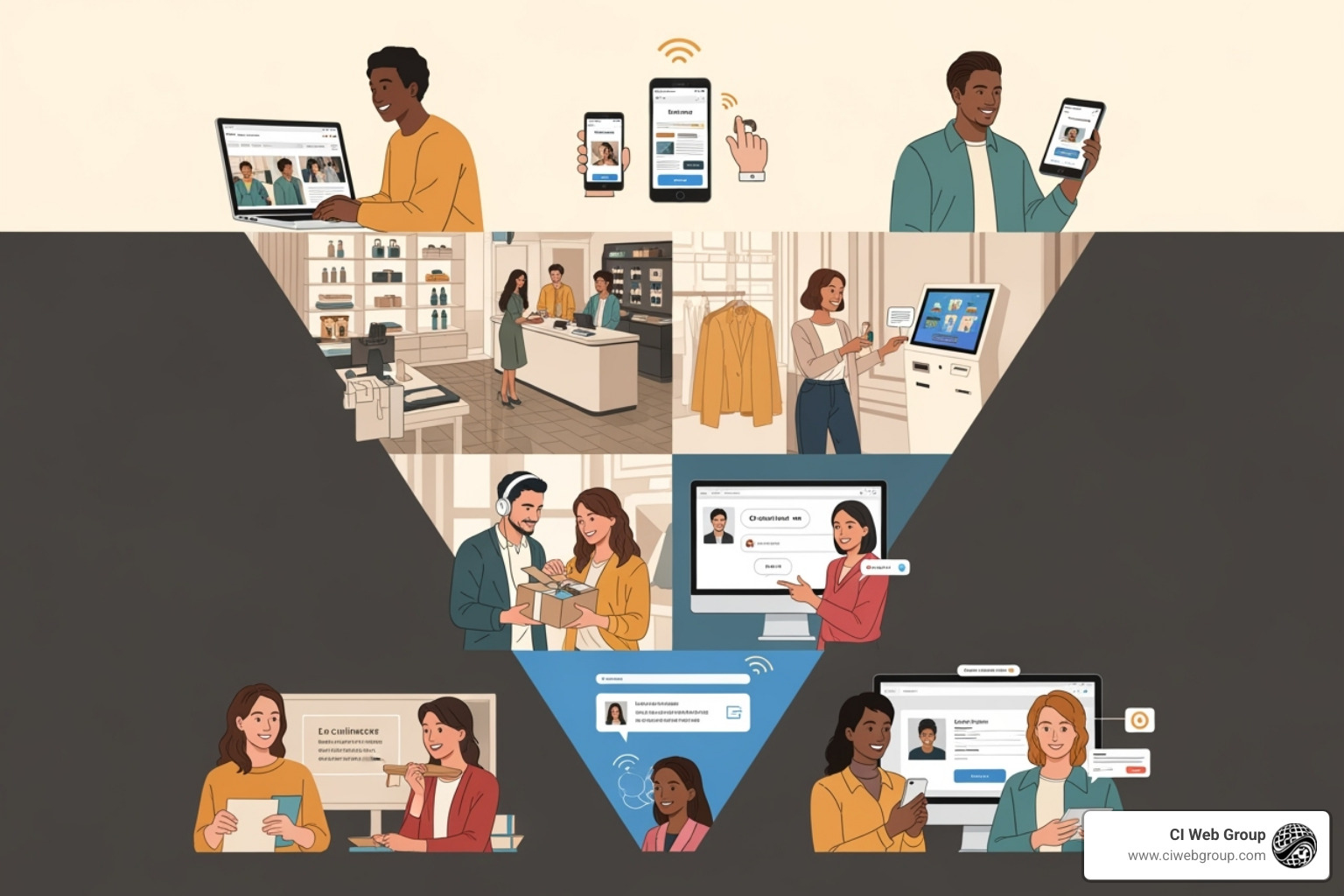
Customer-centric marketing funnels focus on delivering value at every touchpoint of the customer journey, prioritizing long-term relationships over quick sales. Here's what makes them different:
Your marketing funnel might be working like a leaky bucket. You're pouring leads in at the top, but they're dripping out at every stage. Companies lose up to $1.6 trillion yearly because customers switch to competitors, and it's often because businesses treat marketing like a one-size-fits-all assembly line.
Today's customers don't follow neat, linear paths. They bounce between websites, read reviews, ask friends, and research extensively before making decisions. 71% of consumers now demand individual-specific experiences, yet most home service companies still use the same generic approach for everyone.
The old AIDA model (Awareness, Interest, Desire, Action) assumes customers move in straight lines. But real customer journeys look more like a messy web of touchpoints. 84% of shoppers start their online product searches on digital channels outside a brand's website. They might see your Facebook ad, visit your competitor's site, read reviews on Google, then call you six months later during an emergency.
This scattered behavior creates a massive problem. Traditional funnels focus on getting new customers at the top while ignoring the gold mine sitting at the bottom - your existing customers. 50% of qualified leads don't want to buy right away, which makes nurturing relationships vital to keep connections strong until prospects feel ready.
The solution isn't to abandon your funnel - it's to flip it upside down and put customers at the center of everything you do.
I'm Jennifer Bagley, and I've spent years helping home service companies transform their marketing from company-focused campaigns to customer-centric systems that actually work. Through my experience building customer-centric marketing funnels for HVAC, plumbing, and electrical contractors, I've seen how this approach can turn struggling businesses into market leaders.
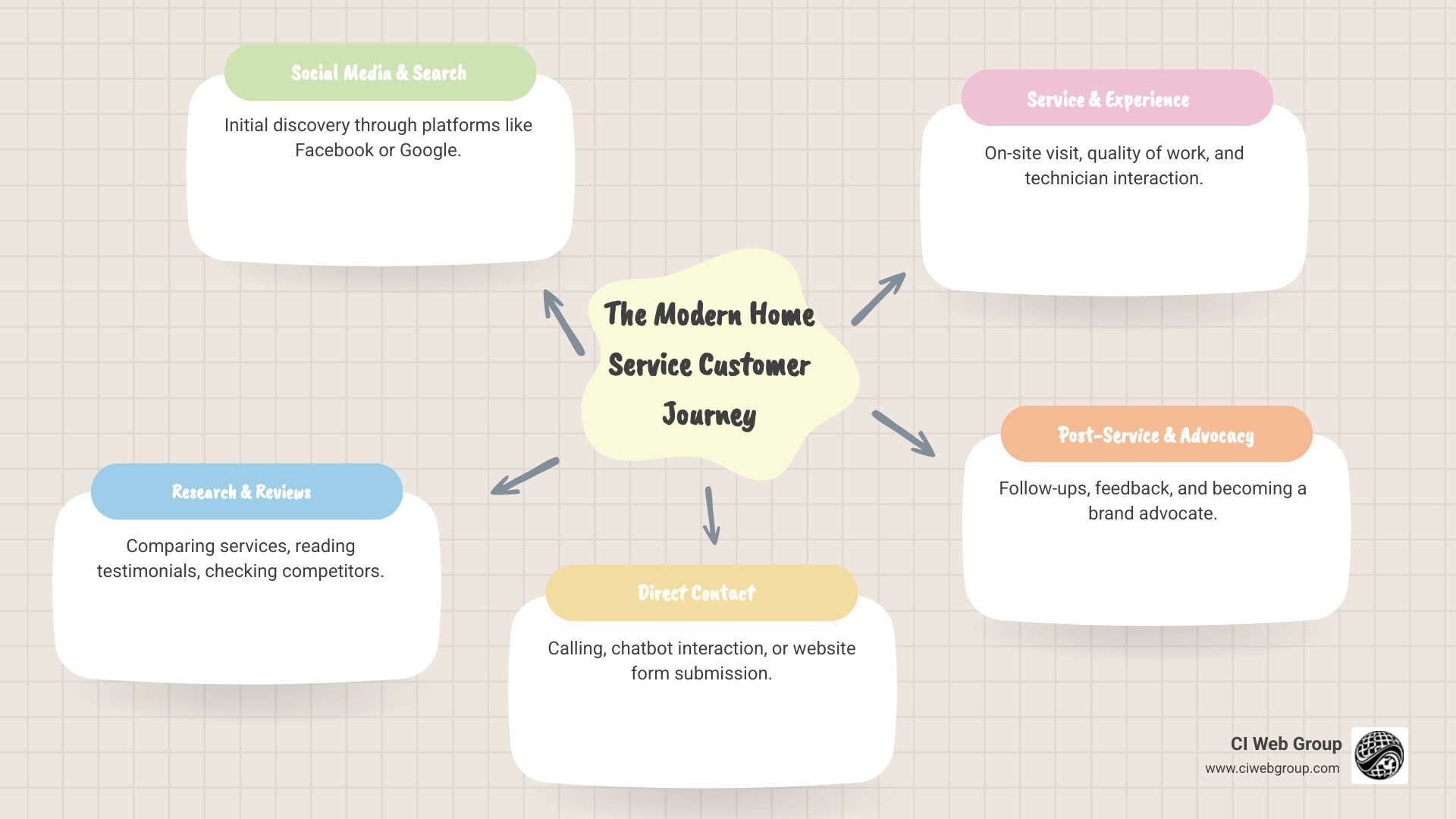
Key terms for customer-centric marketing funnels:
Picture this: your marketing is like hosting a dinner party. Traditional funnels are like those awkward gatherings where the host talks about themselves all night, while customer-centric marketing funnels are like the best dinner parties you've ever attended - where the host genuinely cares about each guest's experience and makes everyone feel valued.
The old-school marketing funnel worked when customers had limited choices and information. But today? Your customers research everything online, read reviews, and expect you to understand their unique situation before they even pick up the phone.
Let's look at how dramatically things have changed:
| Feature | Traditional Funnel (Company-Focused) | Customer-Centric Funnel (Customer-Focused) |
|---|---|---|
| Primary Goal | Acquire new customers, close sales | Build long-term relationships, foster loyalty, drive advocacy |
| Process | Linear, one-size-fits-all, push marketing | Non-linear, personalized, pull marketing, two-way communication |
| Focus | Product features, immediate conversion | Customer needs, pain points, value at every stage, post-purchase experience |
| Outcome | Transactional sales, high churn risk | Customer Lifetime Value (LTV), retention, organic growth, brand advocates |
The traditional AIDA model stops at "Action" - as if your relationship with customers ends the moment they write you a check. But that's exactly when the real opportunity begins! Customer-centric marketing funnels recognize that your most valuable customers are the ones you already have.
Here's why this matters: a 5% increase in customer retention can boost profits by 25-95%. That's not a typo - focusing on keeping customers happy is incredibly profitable. For more insights on building these lasting relationships, check out our guide on Creating Profitable Customer Relationships in Home Services.
Think of a customer-centric marketing funnel as your customer's personal journey guide. Instead of pushing people through a rigid sales process, you're walking alongside them, offering helpful information and support exactly when they need it.
This approach focuses on creating genuine value at every touchpoint. When someone visits your website at 2 AM because their water heater just failed, you're not trying to hard-sell them. You're providing helpful emergency tips, clear next steps, and reassurance that you understand their stress.
It's about building trust through two-way communication. You listen to customer feedback, respond to their concerns, and adjust your approach based on what they tell you. The post-purchase experience becomes just as important as getting them to buy in the first place.
Every interaction - from your first social media post they see to the follow-up call after service - is designed around their needs, not your sales goals. For a deeper dive into this strategy, explore our insights on Customer-Centric Marketing Strategy for Plumbing.
Home service businesses operate in a unique world where trust isn't just important - it's everything. When someone calls you, they're often stressed, dealing with an emergency, and about to let a stranger into their most personal space.
Building local trust becomes your foundation. That homeowner researching HVAC companies isn't just comparing prices - they're looking for someone they can trust with their family's comfort and safety. A customer-centric approach builds this trust from the very first interaction.
These are high-stakes decisions for your customers. Replacing a furnace or fixing electrical issues affects their daily life, safety, and budget. They need clear information and genuine support, not pushy sales tactics that make them feel pressured.
Word-of-mouth power in home services is incredible. One happy customer tells their neighbors, posts positive reviews, and becomes your best marketing asset. One bad experience? It spreads just as fast in the opposite direction.
This approach creates competitive differentiation in a crowded market. When every company claims to offer "reliable service," actually delivering personalized, customer-focused experiences makes you stand out like a lighthouse in a storm.
Perhaps most importantly, customer-centric marketing funnels naturally align your marketing and sales teams around a common goal: making customers genuinely happy. Companies with aligned teams grow 19% faster and see measurably better results.
Understanding your customer's complete journey is crucial for success. Our article on The Customer Journey provides valuable insights into mapping these important touchpoints.
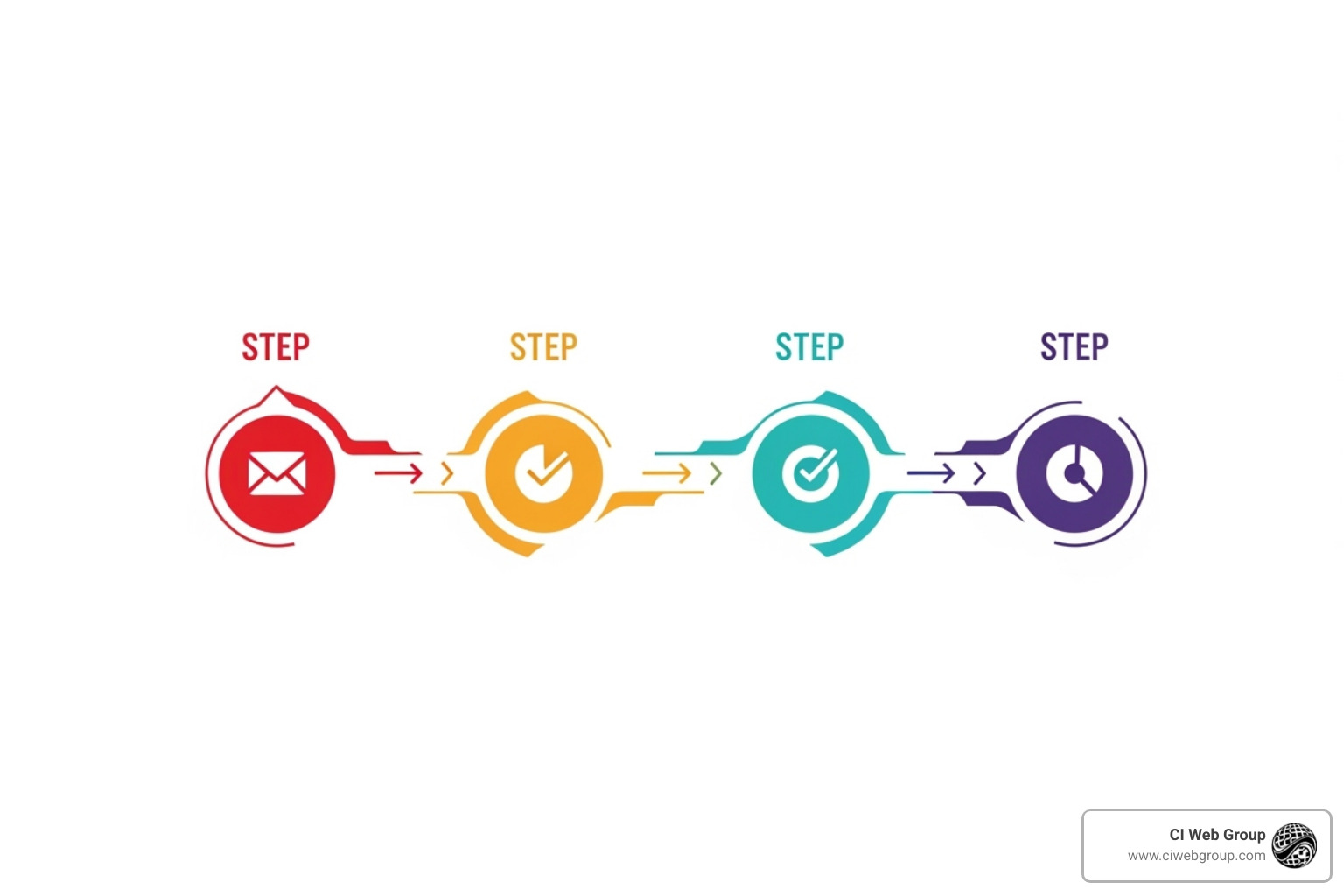
Building a customer-centric marketing funnel doesn't have to feel overwhelming. Think of it like renovating your home - you need a solid blueprint before you start swinging the hammer. We've created a straightforward 4-step process that transforms how you connect with customers, turning casual browsers into loyal advocates who can't stop talking about your business.
You can't build meaningful relationships with people you don't understand. That's why we start by getting to know your customers like they're your neighbors. This means creating detailed buyer personas - think of them as character sketches of your ideal customers based on real data, not wishful thinking.
Let's say you're serving the Houston area. You might have "Emergency Emma," a busy professional who panics when her air conditioning dies during a Texas heatwave. Or maybe "Maintenance Mike," a retiree who wants to keep his home systems running smoothly without breaking the bank. We dig deep into their demographics, psychographics, and most importantly, their pain points. What makes them lose sleep at night? What frustrates them most about finding reliable home service providers?
Audience segmentation takes this further by grouping customers with similar needs and behaviors. We might separate first-time homeowners from seasoned property managers, or emergency repair customers from those planning routine maintenance. Each group gets different messages at different times.
The data collection process involves surveys, customer interviews, feedback forms, and analyzing your existing customer information. Here's a sobering fact: startups often fail because they don't understand the market and the problems of their customers. We make sure you never fall into that trap by investing heavily in truly knowing your audience.
For deeper insights into leveraging this customer data effectively, check out our guide on Customer Data for Personalized HVAC Marketing.
Once you know who your customers are, you need to understand how they actually interact with your business. Customer journey mapping is like following breadcrumbs through the forest - except these breadcrumbs lead to conversions and long-term relationships.
We trace every step from that first "oh no" moment when they find a problem to the happy ending where they become raving fans. This journey isn't a straight line. It's more like a winding path with stops, detours, and sometimes U-turns.

The key touchpoints we identify include your website where they research solutions, social media where they see your helpful tips, online reviews that build or break trust, phone calls when they're ready to talk, and that crucial technician visit that can make or break the relationship. Don't forget about live chat - our research on Customer Interactions with Live Chatbots shows how powerful this touchpoint can be.
Here's something that might surprise you: 84% of shoppers start searches outside a brand's website. They're checking Google, reading reviews, asking friends, and comparing options long before they visit your site. By mapping these touchpoints, we identify exactly where to meet them with the right message at the right time.
Now comes the fun part - creating content that actually helps people instead of just trying to sell them something. We're talking about personalized content that addresses specific needs at each stage of their journey.
In the awareness stage, we focus on education and helpfulness. Think "How to Prevent Frozen Pipes This Winter" blog posts or quick social media tips about spotting HVAC problems early. We're not selling here - we're building trust by being genuinely useful.
The consideration stage is where we start showing our expertise. Case studies work beautifully here, like "How We Restored Comfort to a Family Home After a System Breakdown." Video testimonials from real customers carry enormous weight. Service comparison guides help them understand their options without feeling pressured.
When they reach the decision stage, they need confidence and clarity. Transparent pricing information, detailed FAQs about your process, and clear service guarantees help them take that final step. They're ready to choose - they just need to know why you're the right choice.
But here's where most companies drop the ball: the loyalty stage. After the service is complete, we keep adding value with seasonal maintenance tips, exclusive offers for repeat customers, and personalized follow-up messages. This is where one-time customers become lifelong advocates.
Content personalization means addressing the specific pain points we identified in Step 1. Reviews play a huge role in this process, as we explore in our guide on Leveraging Customer Reviews: Reputation & Sales. We're also seeing amazing results with AI-powered personalization, which you can learn about in Enhancing Customer Experience with AI.
The biggest mistake in traditional marketing is thinking the job ends when someone becomes a customer. In reality, that's when the real relationship begins. Customer-centric marketing funnels recognize that nurturing relationships is just as important as creating them.
Lead nurturing is crucial because 50% of qualified leads aren't ready to buy immediately. We use email marketing campaigns, automated sequences, and retargeting ads to stay helpful and top-of-mind. This isn't about pestering people - it's about providing continued value until they're ready to move forward.
Post-service follow-up separates good companies from great ones. A simple call or email after a technician visit shows you care about more than just the transaction. It opens the door for feedback, builds trust, and often leads to referrals or repeat business.
But the foundation of everything is excellent customer service. From that first phone call to how your technician treats their home, every interaction must reinforce why they chose you. When you consistently deliver exceptional service, customers naturally become advocates who tell their friends and neighbors about their positive experience.
This commitment to relationships drives real results. Our insights on Customer Retention and Engagement show how this approach builds sustainable growth. We also believe in Raising the Bar: Strategies for Enhancing Customer Service in Home Services because service excellence is what transforms a good funnel into a great one.
We're not just trying to complete transactions - we're building relationships that last for years and generate referrals that fuel organic growth.
Think of your customer-centric marketing funnel as just the beginning. The real magic happens when you transform it into something even more powerful - a flywheel. Unlike a traditional funnel that ends at the sale, a flywheel keeps spinning, creating momentum that drives continuous growth.
The flywheel model focuses on three key actions: Attract, Engage, and Delight. When you delight customers with exceptional service, they become advocates who attract new prospects. Those prospects engage with your brand, become customers, and the cycle continues. It's like having a marketing team that works 24/7, powered by your happiest customers.
This approach creates what we call an "upside-down funnel" - instead of constantly chasing new leads, you focus on making existing customers so happy they bring you new business. The feedback loops in this system are incredible. Every satisfied customer provides insights that help you improve, which leads to even happier customers, which generates more referrals.
Our Customer-Centric Flywheel Approach shows exactly how empowering your customers creates a self-sustaining growth engine that gets stronger over time.
You can't improve what you don't measure, and measuring your customer-centric marketing funnel performance is where the rubber meets the road. We're not talking about vanity metrics that make you feel good but don't impact your bottom line. We focus on the numbers that actually tell you if your customers are happy and your business is growing.
Conversion rates by stage show us exactly where prospects are getting stuck. Maybe people love your blog posts but aren't calling for estimates. Or perhaps they're calling but not booking services. When we spot these bottlenecks, we can fix them fast.
Customer Lifetime Value (LTV) is the holy grail metric. It tells us how much revenue each customer will bring over their entire relationship with your business. When this number goes up, it means your customer-centric approach is working beautifully.
Customer Acquisition Cost (CAC) measures how much you're spending to get each new customer. The goal is to lower this over time as referrals and word-of-mouth marketing take over from paid advertising.
Net Promoter Score (NPS) is refreshingly simple. We ask customers one question: "How likely are you to recommend us to a friend?" Their answers tell us everything about loyalty and satisfaction.
Review ratings and volume directly impact how many new customers find and trust you. More five-star reviews mean more phone calls, period.
We also track repeat purchase rates and referral rates because these show how well we're nurturing relationships beyond the first sale. Advanced analytics and AI help us dive deeper into customer behavior patterns. Our guide on Customer Experience with AI in Businesses explores how technology makes this measurement even more precise.
Building a customer-centric marketing funnel isn't a "set it and forget it" project. It's more like tending a garden - constant care and attention lead to amazing results.
A/B testing is our secret weapon for continuous improvement. We test everything from email subject lines to website headlines to see what makes your customers tick. Sometimes a simple word change can boost response rates by 20% or more.
Customer feedback is pure gold. We actively listen through surveys, review responses, and direct conversations. This qualitative data tells us the "why" behind the numbers and often reveals improvement opportunities we'd never spot otherwise.
Touchpoint optimization means making every interaction smooth and helpful. Is your website easy to steer on mobile? Do phone calls get answered quickly? Is your follow-up process personal and timely? We fine-tune each step based on real customer data.
Exceptional customer service isn't just a department - it's a philosophy that touches everything you do. From the first phone call to the final follow-up email, every interaction should leave customers feeling valued and understood.
Online reviews deserve special attention because they're essentially marketing messages written by your customers. We help you leverage positive reviews and turn negative ones into opportunities. Our resources on The Power of Online Reviews and Mastering the Response: Turning Negative Customer Reviews into Sales provide practical strategies that work.
The beauty of this optimization process is that small improvements compound over time. A slightly better website experience plus faster response times plus more personalized follow-up equals dramatically better results. That's how you turn a good marketing funnel into a growth engine that powers your business for years to come.
Let's address some of the most common questions I hear from home service business owners when they're considering making the shift to customer-centric marketing funnels. These are real concerns from real business owners who want to make sure they're making smart decisions for their companies.
Here's the truth that might surprise you: the biggest benefit isn't just happier customers (though that's wonderful). It's the dramatic increase in customer retention and lifetime value that follows.
Think about it this way - since it costs five times more to get a new customer than to keep an existing one, focusing on the entire customer experience becomes a powerful profit engine. When customers feel genuinely valued throughout their journey with you, something magical happens. They don't just stick around longer - they spend more money, call you first when problems arise, and become your most enthusiastic cheerleaders.
I've seen HVAC companies transform their business simply by shifting focus from chasing new leads to nurturing existing relationships. The result? More profitable and sustainable growth that doesn't require constantly pouring money into advertising to replace customers who left.
This is a fantastic question because many business owners think they're already customer-centric if their technicians are polite and show up on time. But there's a much bigger picture here.
Good customer service is absolutely crucial - it's like having a strong foundation for your house. But a customer-centric funnel is the entire architectural plan that ensures every room, every hallway, and every detail works together perfectly for the people living there.
While customer service typically kicks in when someone has a problem or question, a customer-centric approach starts the moment a potential customer first hears about your business. It shapes every marketing message they see, every piece of content you create, every email you send, and every follow-up after the job is done.
It's the difference between reacting positively when customers need help versus proactively designing every single interaction around what customers actually want and need. Every touchpoint becomes an opportunity to add value, not just solve problems.
I see this mistake so often it almost breaks my heart. Business owners get excited about attracting new customers (which is natural - new leads feel like progress), so they pour most of their energy and budget into top-of-funnel activities like ads and SEO.
Meanwhile, they're practically ignoring the gold mine sitting right in front of them: the leads who aren't ready to buy immediately and the customers who already trust them.
50% of qualified leads aren't ready to purchase right away. If you're not nurturing these relationships, you're essentially throwing away half of your marketing investment. And if you're not delighting your existing customers, you're missing out on the most cost-effective source of new business - referrals.
The most successful home service companies I work with understand that nurturing relationships at every stage of the funnel is what transforms that leaky bucket into a sustainable growth engine. They know that a customer who had a great experience six months ago is far more valuable than ten new leads who might never call back.
Your customers have changed, and your marketing needs to evolve with them. The old days of pushing generic messages through rigid, linear funnels are behind us. Today's homeowners expect more - they want to feel understood, valued, and heard throughout their entire journey with your business.
Customer-centric marketing funnels aren't just a nice-to-have upgrade; they're your ticket to building something truly special. When you put customers at the heart of everything you do, amazing things happen. You stop hemorrhaging leads at every stage. Your customers stick around longer, spend more, and become your biggest champions in the community.
Think about what this means for your home service business. Instead of constantly scrambling for new leads, you'll have a steady stream of referrals from delighted customers. Instead of competing solely on price, you'll stand out because of the exceptional experience you provide. Instead of treating each job as a one-time transaction, you'll build relationships that last for years.
The numbers don't lie. Companies that accept this approach see long-term growth that compounds over time. They build unwavering brand loyalty that protects them during tough economic times. Most importantly, they gain a competitive advantage that's nearly impossible to replicate - genuine customer relationships.
This change doesn't happen overnight, but it doesn't have to be overwhelming either. Start with understanding your customers better. Map out their journey. Create content that actually helps them. Follow up after every service call. Small changes add up to remarkable results.
At CI Web Group, we've helped countless home service companies make this shift. Our data-driven strategies are built around putting your customers first, and we've seen how powerful this approach can be. We believe in complete transparency, no long-term contracts, and making sure you own all your marketing assets. Because when your customers win, you win - and that's exactly how it should be.
The future of marketing is already here, and it's customer-centric. Companies across the nation are finding what happens when you stop talking at customers and start listening to them. The question isn't whether this approach works - it's whether you're ready to accept it.
Ready to transform your leaky funnel into a growth engine that actually works? Let's build something amazing together.
Plan your digital marketing strategy with our experts
Search our Blog
5 min read
Step-by-Step Guide to Reliable Pest Control Marketing
Discover how pest control marketing services can boost local visibility, generate leads, and drive recurring revenue with proven strategies for 2026.
Read more

5 min read
The Ultimate Guide to Digital Advertising in HubSpot
Master digital advertising HubSpot strategies to boost lead quality and ROI across Meta, Google Ads, LinkedIn, and TikTok.
Read more

5 min read
I'm looking to upgrade my plumbing fixtures. Who provides reliable plumber branding in your area?
Discover how plumber branding builds trust and recognition to help homeowners choose your services first.
Read more

5 min read
In Depth Guide to Plumbing Marketing Strategies
Discover proven plumbing marketing tips that boost local leads, improve visibility, and turn homeowner searches into booked jobs.
Read more