
5 min read
From Likes to Leaks: Mastering Facebook Marketing for Your Plumbing Business
Learn how to facebook market for plumbing and HVAC: generate leads, target homeowners, optimize ads, and scale with expert strategies.
Read more

October 8, 2025
AI-powered website personalization with Webflow allows businesses to create unique, dynamic experiences for every visitor. This technology uses machine learning to adapt website content and offers in real-time, moving beyond generic content to deliver exactly what each customer needs. This boosts engagement, conversions, and revenue by treating every person as an individual.
In today's competitive digital landscape, generic websites fall short. Customers expect personalized experiences; research shows 84% of customers feel valued when treated as individuals, not just numbers.
Marketers struggle to deliver these experiences without endless manual work. The goal is to automate personalization, freeing up time for strategy and turning every visit into a meaningful, revenue-driving interaction.
Jennifer Bagley, an expert in AI innovation, champions making AI-powered website personalization with Webflow accessible and profitable for businesses, particularly in home services, to drive growth and improve customer experiences.
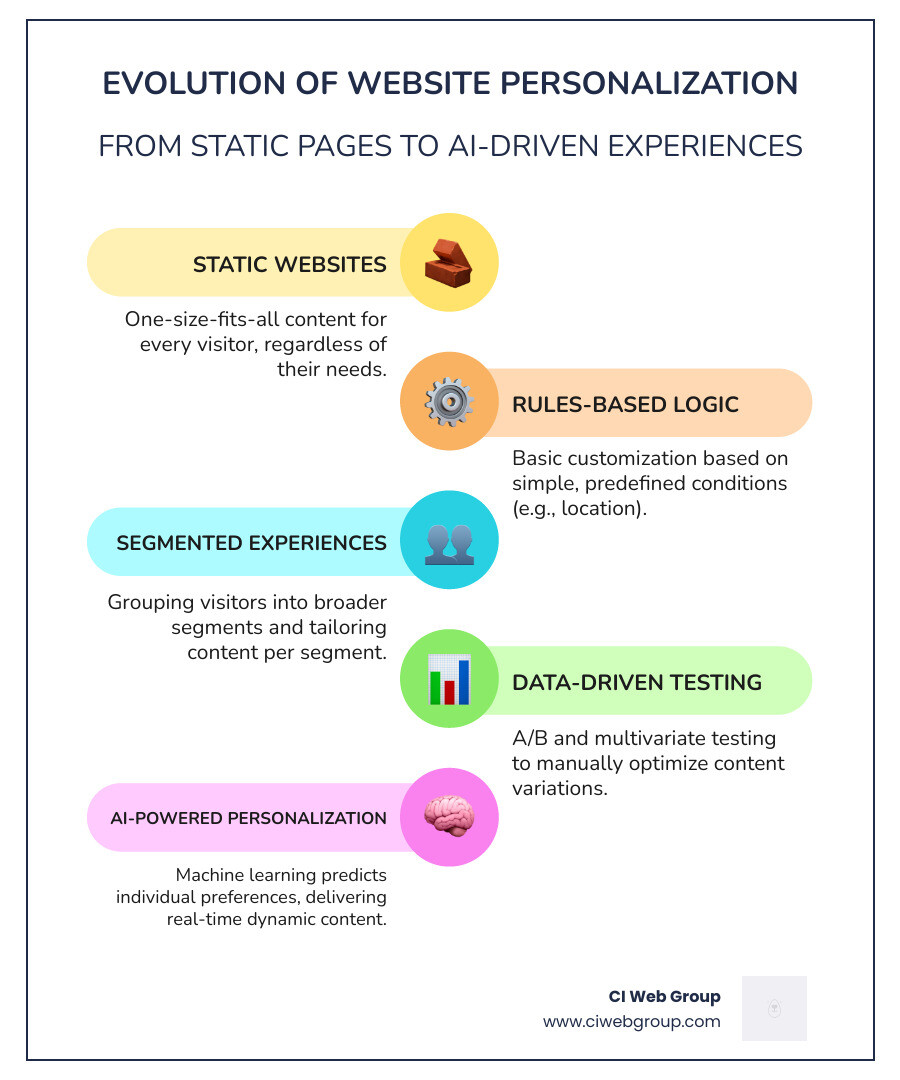
Website personalization creates customized online experiences, similar to a barista remembering your favorite coffee order. It makes visitors feel valued by tailoring content based on who they are, what they need, and how they behave on your site.
For years, businesses tried to create these moments with methods that were often clunky, time-consuming, and couldn't keep up with real-time visitor needs.
Before AI, marketers relied on two main approaches for personalization.
Rules-based logic used simple "if this, then that" conditions. For example, a visitor from Dallas would see Dallas-specific content. However, managing these rules became complex and time-consuming as a site grew, lacking adaptability.
Segment-based targeting grouped visitors into segments based on demographics or behavior. While an improvement, it still treated everyone within a segment identically, ignoring individual needs.
Both traditional methods required constant manual oversight, were difficult to scale, and couldn't keep up with changing customer behavior.
This is where AI-powered website personalization with Webflow transforms the game.
Instead of static rules or broad segments, AI uses machine learning to predict what each visitor needs in real-time. Machine learning acts like a brilliant assistant, learning from every interaction. It analyzes vast data, spots hidden patterns, and refines its predictions, getting smarter with every visitor.
Predictive personalization automatically tests content variations, determines what resonates with each visitor, and serves the optimal experience. The AI adapts instantly to behavior changes, eliminating manual updates and delivering intelligent, continuous optimization.
Traditional methods are reactive ("If X, then Y"), while AI is proactive ("Based on this data, the visitor probably needs Z"). It's the difference between a static paper map and a live-updating GPS.
| Feature | Traditional Rules-Based Personalization | AI-Powered Predictive Personalization |
|---|---|---|
| Logic Basis | "If X, then Y" rules | Machine learning algorithms |
| Adaptability | Manual updates required | Automatic, real-time adaptation |
| Scale | Difficult to scale beyond simple rules | Easily scales to countless variations |
| Insights | Relies on human analysis of segments | AI uncovers patterns and optimizes automatically |
| Effort | Tedious setup, constant management | Automates much of the work, frees up marketers |
| Experience Level | Segment-level | Individual-level (hyper-personalization) |
Personalization is now critical for business success. Customers, accustomed to personalized recommendations from Netflix and Amazon, expect the same custom experience everywhere. A generic website feels outdated and impersonal. In fact, 84% of customers say that being treated like a person—not a number—is very important to winning their business.
Personalized content improves every metric: visitors stay longer, engage more, and are far more likely to convert. The revenue impact is significant. Code42 saw a 15% conversion rate increase, and Impact Dog Crates doubled their sales. These are business-changing results driven by individual personalization.
There's also a competitive reality: companies that accept personalization are pulling ahead. With AI-powered search impacting organic traffic, every visitor is more valuable. You can't afford generic experiences. AI-powered website personalization with Webflow ensures every visit counts by immediately delivering relevant content.
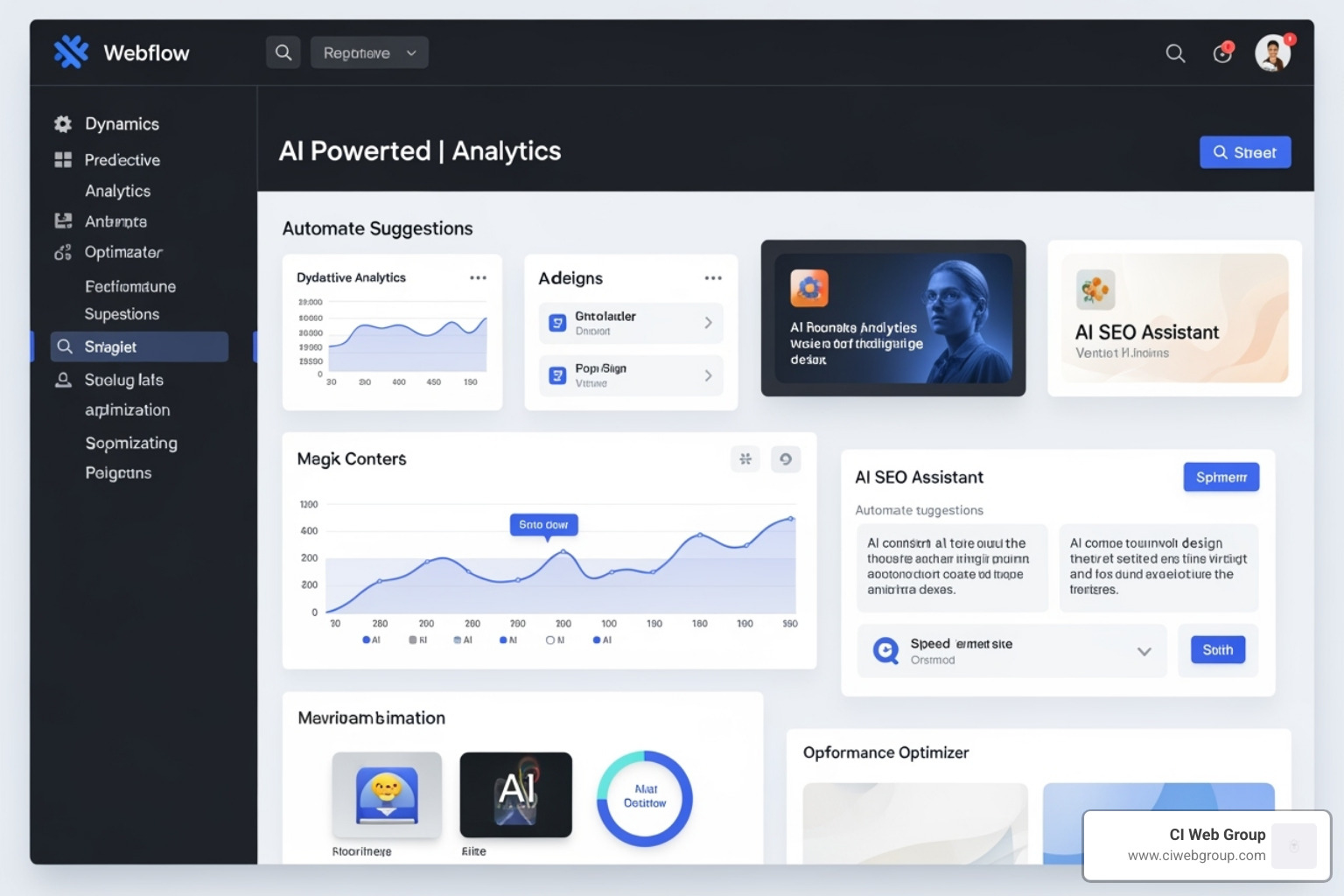
Webflow has evolved beyond a visual builder into a Website Experience Platform (WXP), a complete ecosystem for creating and optimizing high-performing digital experiences.
The acquisition of Intellimize, an AI-driven optimization company, was a major turning point. This integrated sophisticated technology for real-time personalization and automated testing into Webflow, making ai-powered website personalization with webflow remarkably accessible.
Webflow's AI is deeply integrated, understanding your site's context, design system, and brand styles. This ensures that AI-generated content feels native, not generic, maintaining brand consistency.
Webflow's philosophy is that AI should handle repetitive tasks, freeing humans for strategy and creativity. Its native AI tools extend its mission of empowering everyone to build for the web.
You can explore Webflow's broader vision for AI on their dedicated page: AI at Webflow.
Webflow Optimize is the powerhouse behind Webflow's personalization capabilities. It's the native solution for A/B testing and personalization, helping you deliver winning experiences at scale.
The core AI Optimize feature runs parallel, multivariate tests powered by machine learning. Instead of slow, simple tests, you can test countless combinations of content simultaneously. The AI learns from every visitor in real-time, automatically adapting the experience for each individual.
Unlike painfully slow traditional A/B testing, AI Optimize automates the heavy lifting. It tests numerous variations at once, delivering meaningful results in days or hours, not weeks or months, so you can iterate faster.
The system supports true multivariate testing, finding the best combinations of elements on a page. This is paired with real-time optimization, where the AI constantly monitors visitor interactions and adjusts experiences on the fly. This dynamic delivery, even with basic contextual data, often yields double-digit conversion lifts.
Webflow Optimize handles everything from identifying winning variations to delivering them, tailoring content to suit individual preferences. This is ai-powered website personalization with webflow in action, driving real business results.
Learn more about what this powerful tool can do: Webflow Optimize | Website Optimization & Personalization.
Beyond optimization, the Webflow AI Assistant helps with daily site-building and maintenance tasks, acting like a tireless, brand-aware colleague.
For content creators, the AI Assistant overcomes the "blank page" problem by generating drafts and content variations, which can be published directly to the CMS.
For designers, the AI can generate new page sections that adhere to your existing design system, automatically applying your site's classes and variables to ensure brand consistency.
It also automates repetitive tasks like creating CMS items in bulk and assists with page structuring, freeing up valuable time for more strategic work.
The AI Assistant also aids SEO improvements by auditing pages, suggesting optimal settings, and auto-generating image alt tags.
Crucially, everything the Webflow AI creates respects your brand. It works within your design system, ensuring AI speeds up the creative process without compromising your brand integrity.

Getting started with AI-powered website personalization with Webflow doesn't have to be overwhelming. A step-by-step approach is most effective. Here's a practical guide to making it a reality for your business.
The power of AI-powered website personalization with Webflow is clear when you see it in action.
The results are clear: Code42 achieved a 15% conversion rate increase on key forms and generated thousands of incremental conversions across their site, proving the real revenue impact of personalization.

As you accept AI-powered website personalization with Webflow, address common myths, ensure data privacy, and plan for seamless integration with your marketing tools.
Let's clear up some common misconceptions about AI:
Myth #1: AI is too complicated to use in your personalization program.Reality: False. AI-based programs automate much of the work, making personalization easier and scalable. Implementation is often straightforward, accelerating the creative process for developers.
Myth #2: AI can completely run your personalization program.Reality: Not entirely. AI handles the heavy lifting but requires human strategy, creativity, and oversight. The best results come from combining AI technology with human ingenuity. AI is an assistant, not a replacement.
Myth #3: Everyone talking AI is telling you the truth.Reality: Be cautious, as "AI" is often a buzzword. Vet solutions carefully to ensure they use genuine machine learning. Ask how the system learns and about its transparency. We partner only with providers of genuine, transparent AI.
Webflow takes data privacy and security seriously, which is essential for building trust. Any personalization effort must be built on a foundation of ethical data handling.
For more details, we encourage you to Explore the Webflow Trust Center.
Effective digital strategy requires seamless tool integration. Webflow provides robust options for connecting its AI-powered website personalization with Webflow capabilities to your marketing ecosystem.
When discussing AI-powered website personalization with Webflow, several common questions arise. Let's address them.
Traditional A/B testing is a slow process of comparing a few pre-defined options to find a single winner. AI personalization is fundamentally different. It tests countless variations simultaneously (multivariate testing) in real-time.
Instead of finding one "best" version, the AI learns which version is best for each individual visitor based on their unique attributes and serves it automatically. This process is faster, delivering results in days instead of weeks, and continuously optimizes the experience for everyone.
No, you don't need a massive dataset to begin. You can start immediately using contextual data available from every visitor, such as their location, device type, time of day, and referral source.
This basic information is powerful enough to generate significant conversion lifts. The AI system then grows smarter over time as it collects more interaction data, allowing you to start small and scale your efforts as your program matures.
No, Webflow does not use your data to train its AI models. Webflow has a strict policy against using any customer data—including website content and visitor information—to train its own or any third-party generative AI models.
Your data is used only to provide the requested service, ensuring your privacy and security. For more details, visit the Webflow Trust Center.
AI-powered website personalization with Webflow has shifted from a novel idea to a business essential, fundamentally changing the digital landscape.
AI enables a move from static, one-size-fits-all websites to dynamic, predictive experiences. It creates a unique, individualized journey for every visitor, far surpassing outdated, rules-based methods.
The benefits are clear: improved visitor experiences lead to higher conversions, increased sales, and more revenue, giving you a distinct competitive advantage.
Webflow makes this possible with its powerful Optimize features and AI Assistant, all built on a foundation of data privacy and security. This allows you to innovate with confidence.
For home service businesses in Houston, the Pacific Northwest, or anywhere, this technology is a powerful differentiator. It allows you to speak directly to local customers with relevant messages and offers, building trust and driving growth.
At CI Web Group, we specialize in data-driven digital marketing for home service companies, focusing on transparency and customized plans. We leverage the latest technologies, including AI-powered website personalization with Webflow, to help you dominate online search and achieve your business goals. The future of the web is personal, and we're here to help you lead.
Are you ready to transform your website into a powerful, personalized conversion engine? Let's start your data-driven digital marketing journey together.
Search our Blog
5 min read
From Likes to Leaks: Mastering Facebook Marketing for Your Plumbing Business
Learn how to facebook market for plumbing and HVAC: generate leads, target homeowners, optimize ads, and scale with expert strategies.
Read more

5 min read
Funny HVAC TV Commercials and Local Marketing Wins
Stand out with innovative HVAC advertising ideas! Master local SEO, PPC, and traditional marketing to generate leads and grow your business.
Read more
5 min read
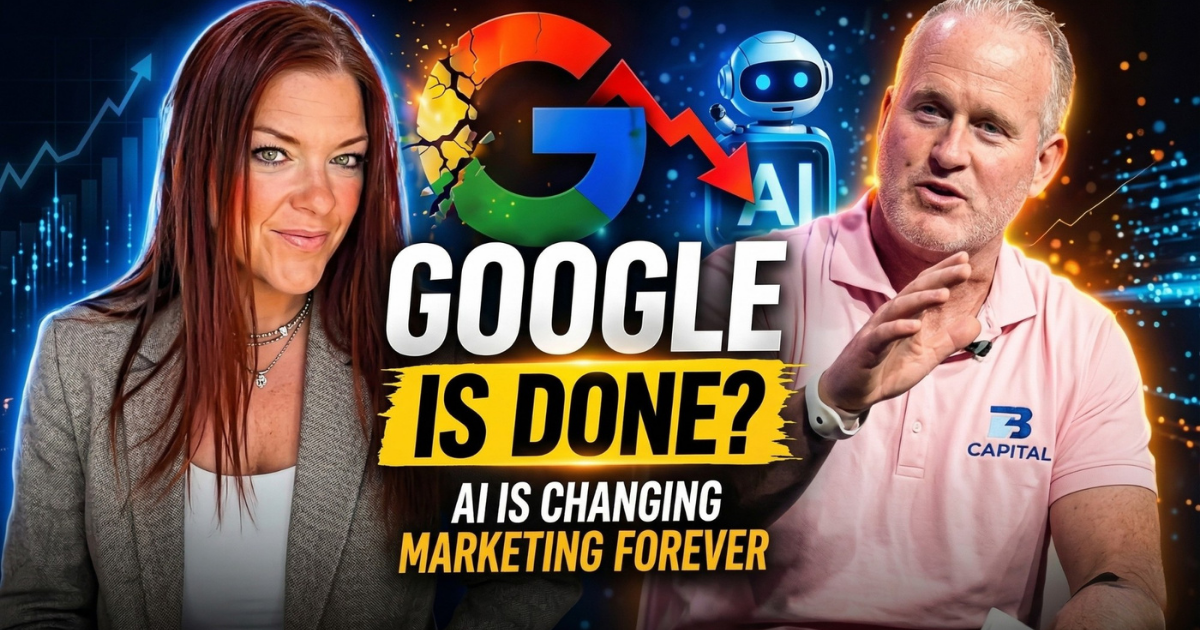
Design the System, Don’t Just Do the Work: Jennifer Bagley on Build It to Sell It
Learn how to rebuild your home service business for the AI-first world. Jennifer Bagley shares strategies on agentic workflows, organic AI search, and scaling profit.
Read more
5 min read
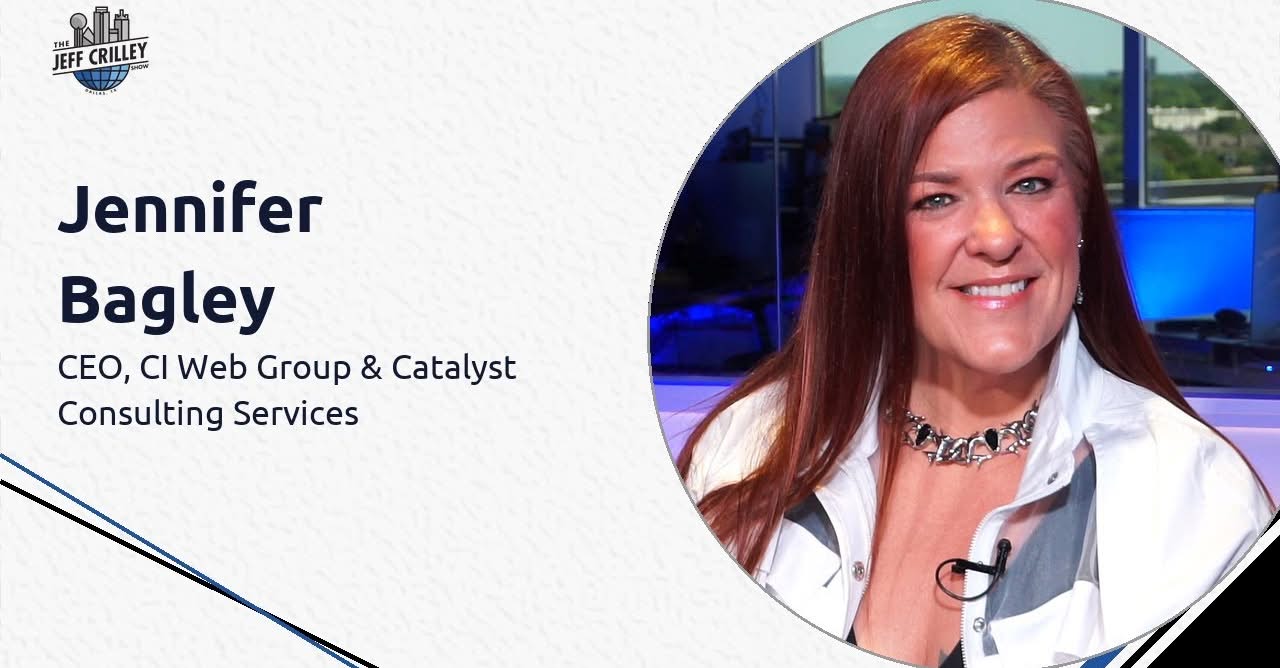
AI Removes the Friction in Home Services: Jennifer Bagley on The Jeff Crilley Show
Discover how AI is removing friction in the home services industry. Jennifer Bagley shares insights on using AI to boost profit, streamline operations, and drive growth.
Read more